
Imagine arriving at your workplace one morning to discover a minor leak overnight has caused thousands of dollars in damage. Or picture a routine safety hazard going unnoticed until it puts someone at risk. In both scenarios, one thing could have made all the difference: regular facility inspections. Facility managers and business owners who proactively check their premises aren’t just ticking a regulatory box; they’re future-proofing their operations, protecting their people, and ensuring peace of mind.
Observing the Benefits of Regular Facility Inspections in Everyday Operations
Consistent facility inspections play a crucial role in keeping your business running smoothly. For property managers and operational leaders, the benefits of regular facility inspections are woven into the fabric of everyday operations. These inspections go beyond just meeting safety regulations; they help proactively identify potential hazards before they become costly emergencies. By examining equipment, common areas, and behind-the-scenes systems, managers ensure a safe work environment for both employees and visitors. This dedication to ongoing review means small issues, like HVAC system inefficiencies or fire exits being blocked, are identified and addressed before they escalate.
Routine safety inspections also contribute to health and safety compliance. When organizations regularly check their facilities, they maintain adherence to safety standards, providing a sense of security for everyone on site. These practices show employees and clients that their well-being matters, boosting morale and strengthening trust in leadership. Plus, regular facility inspections support efficient facility operations, as well-maintained spaces lead to fewer disruptive incidents, lower operating costs, and an overall more productive workplace.

What You’ll Learn About the Benefits of Regular Facility Inspections
How routine facility inspections improve workplace safety
Ways facility inspections ensure health and safety compliance
Key benefits for property and facility managers
Best practices for safety inspections
Answers to the most common facility inspection questions
Understanding Facility Inspection: What Is a Facility Inspection?
At its core, a facility inspection is a comprehensive review of a building’s systems, equipment, and common areas. This process enables organizations to identify and address potential hazards before they can impact day-to-day operations. Inspections examine everything from emergency exits and fire safety equipment to HVAC systems and structural components. For business owners and managers, this proactive approach is a cornerstone of facility management.
Whether carried out by internal teams or external experts, a facility inspection ensures that all spaces comply with evolving health and safety regulations and function as intended. The goal isn’t just hazard detection—inspections help you extend the lifespan of equipment, keep employees and visitors comfortable, and maintain a safe work environment for everyone. In short, they are essential for taking care of both people and property in any business context.
Defining Facility Inspections for Business Owners and Managers
To feel safe and confident in your workplace, business owners and facility managers must grasp the full scope of facility inspections. These assessments go beyond basic walk-throughs—they’re guided by checklists tailored to your facility type and local safety standards. The management team is often responsible for organizing inspections, delegating tasks, and following up on findings. By understanding the process, leaders can ensure inspections are more than just perfunctory steps—they become strategic routines for preserving business continuity and compliance with health and safety guidelines.
Regularly scheduled inspections also build a culture of accountability. When routine inspections become the norm, everyone from maintenance crews to senior managers plays a role in creating a safe work culture. This communication loop—where risks are reported, documented, and resolved—reduces the chances of costly emergency repairs and lawsuits. Ultimately, facility inspections support both legal compliance and the mission of safeguarding people and assets.

Key Benefits of Regular Facility Inspections
The benefits of regular facility inspections are numerous, touching every aspect of organizational health. Regular inspections shine a light on issues before they have a chance to disrupt operations or compromise safety. For the management team, one of the key benefits is the peace of mind that comes from compliance with safety regulations and knowing all systems are functioning properly. Inspections reduce risks, keep insurance premiums manageable, and can even enhance the image of your brand among staff and clients.
Beyond compliance and hazard mitigation, these inspections also form the backbone of preventative maintenance. Spotting worn components in your HVAC system or recognizing recurring leaks allows for scheduled repairs rather than reactive fixes. This practice minimizes downtime, keeps equipment functioning properly, and extends its useful life—a crucial factor in operational efficiency and budget-planning.
Enhancing Workplace Safety Through Facility Inspections
A safe work environment is foundational to any successful organization. Routine safety inspections help ensure that emergency exits are unobstructed, fire extinguishers are accessible and functional, and electrical systems are up to code. Whether you manage an office, commercial building, or industrial facility, these facility inspections keep spaces compliant with health and safety standards, directly reducing workplace accidents and injuries.
Moreover, employees and visitors notice when safety is prioritized. By making safety inspections a regular habit, you foster a culture of accountability and respect. Workers who feel safe and cared for are more engaged and productive, while clients and customers are reassured by visible markers of your commitment to their well-being. These ongoing efforts also help organizations remain responsive as regulations and safety expectations change, ensuring you’re never caught off guard during an official audit.

Supporting Health and Safety Compliance with Routine Inspections
Early hazard detection – Quickly spot and remove risks before they result in incidents.
Regulation adherence – Stay up-to-date with evolving health and safety legislation.
Reducing costly incidents – Prevent large-scale disruptions or repairs.
Peace of mind for management – Run facilities with confidence, knowing you meet every standard.
Maintaining compliance with safety codes is essential for any business. A systematic approach to routine inspections means potential hazards are caught before they become actual problems. For property managers and operations leaders, following regular inspection schedules is the best way to manage risk and build trust with all stakeholders—from board members to front-line employees. With compliance as a standard, you show your commitment not only to government mandates but also to the core values of your brand.
Every step of the inspection process—from checking fire alarms to evaluating structural integrity—serves as a checkpoint for health and safety. When your organization is known for its attention to detail, it makes everyone from staff to visitors feel safe. You also protect your business from citations, lawsuits, and negative publicity—key reasons why regular facility inspections are a strategic necessity.
Types of Facility Inspections and Safety Inspections
There are several types of facility inspections, each serving a distinct role in property and operational management. Understanding these types helps leaders set up a well-rounded inspection calendar, guaranteeing that all facility operations are functioning properly. Some focus on preventative maintenance, while others ensure regulatory compliance or analyze incidents. Choosing the correct frequency and personnel for each type ensures your business never falls behind on critical checks.
From safety walk-throughs to preventative equipment checks, regular facility inspections are not one-size-fits-all. By tailoring inspection types to the needs of your building and industry, you proactively identify weak spots, extend equipment life, and avoid operational hiccups. Below, compare the main types of inspections performed in business environments:
Comparing the Four Main Types of Inspection
Inspection Type |
Purpose |
Who Conducts |
Frequency |
|---|---|---|---|
Safety Inspection |
Identifies workplace hazards |
Safety officers/Facilities team |
Regular/As scheduled |
Preventive Maintenance |
Ensures equipment functionality |
Maintenance team |
Routine intervals |
Compliance Inspection |
Checks code and regulation compliance |
External or internal audit |
Annually or as required |
Incident Investigation |
Analyzes incidents or near misses |
Safety team/Managers |
After incident occurrence |
Routine Inspections: Establishing a Consistent Schedule
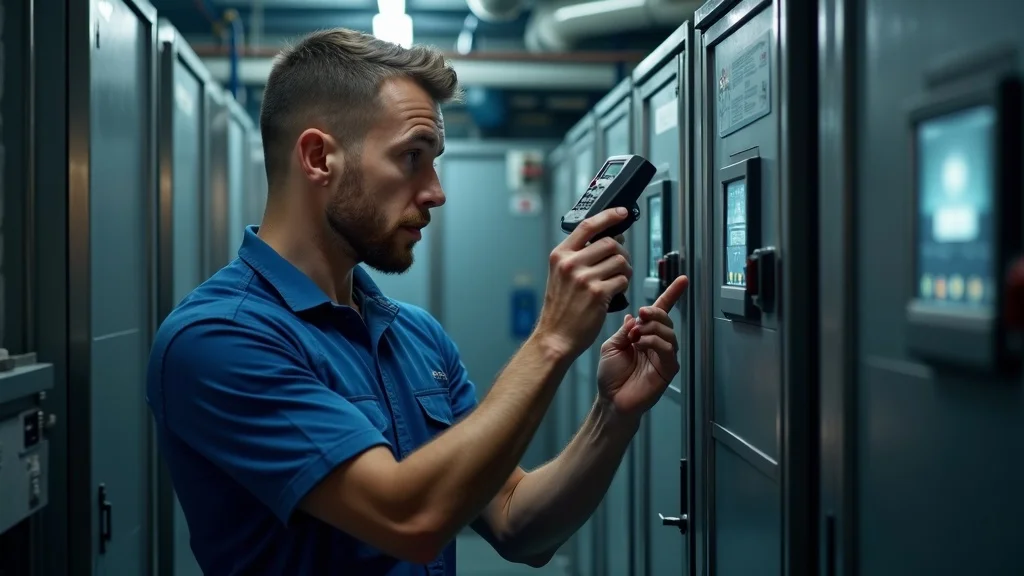
Establishing a consistent schedule for routine inspections ensures all areas of your facility receive proper attention. Neglecting scheduled inspections can leave critical vulnerabilities undiscovered, leading to operational interruptions or serious safety risks. For most facilities, regular inspections—ranging from daily walkthroughs to monthly or annual comprehensive reviews—are the backbone of running smoothly.
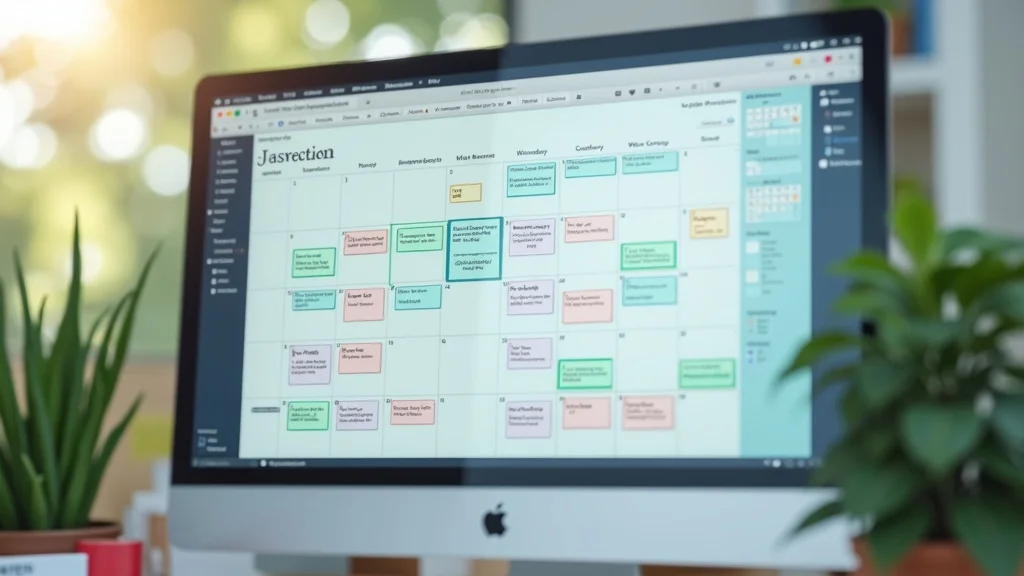
To decide the right frequency for facility inspections, consider building size, industry standards, equipment complexity, and previous inspection findings. For example, areas prone to heavy use or sensitive equipment (like an HVAC system) may require more frequent checks. Using a digital calendar or specialized software helps you track inspection dates, assign responsibilities, and document results, ensuring nothing falls through the cracks.
How Often Should a Facility Inspection Be Done?
The ideal frequency for facility inspections depends on the facility type and applicable compliance requirements. However, most workplaces benefit from a layered approach—conducting quick daily checks for obvious issues, formal weekly or monthly safety inspections, and thorough annual compliance audits. Highly regulated industries, or those with complex systems, may require even more frequent and specialized inspections. Staying flexible and responsive to unique operational needs ensures facilities remain safe, efficient, and audit-ready.
Seasonal changes, equipment age, and usage intensity all impact inspection scheduling. It’s essential to customize your plan, balancing routine inspections for everyday maintenance with more detailed checks for long-term reliability. This approach supports both regulation adherence and the ongoing goal of preventing disruptions and liabilities.
Best Practices to Maximize the Benefits of Regular Facility Inspections
Maintain detailed inspection records – Ensure all findings and resolutions are documented for review and compliance.
Train staff on safety inspection protocols – Equip everyone with the knowledge to spot hazards and follow best practices.
Use technology for digital inspections – Streamline scheduling, reporting, and follow-ups with inspection software.
Act promptly on inspection findings – Address risks as soon as they're identified to prevent escalation or costly emergencies.
Effective inspection programs hinge on consistent documentation, regular staff training, and swift, decisive action. Utilizing digital checklists and recordkeeping tools offers real-time tracking and analysis of facility inspection data. When issues are resolved quickly, facilities avoid downtime, remain in compliance, and protect their reputation. These practices allow management to demonstrate due diligence—a significant asset in any review or audit situation.
"Regular facility inspections aren’t just a regulatory checkbox—they’re an investment in the health, safety, and reliability of your business operations."
By treating facility inspections as opportunities for improvement, not just obligations, organizations proactively identify efficiencies and build a resilient infrastructure. This fosters a culture where everyone knows their role in maintaining a safe work and efficient environment.
Peace of Mind: Why Facility Inspections Matter to Managers
For managers, the greatest benefit of regular facility inspections is peace of mind. Knowing your property meets health and safety regulations and is prepared for everyday operations allows leaders to focus on growth and improvement rather than reactive problem solving. Managers who consistently check their facilities can forecast maintenance, anticipate regulatory changes, and minimize liabilities.
This assurance also extends to stakeholders—from employees who feel safe coming to work, to investors and clients who value operational transparency. A strong inspection program is a visible commitment to safety, quality, and risk management, underpinning every successful organization.

See how real businesses benefit from scheduled inspections, as leaders share stories of hazards averted, downtime reduced, and teams empowered to keep facilities running smoothly. These example-driven insights reinforce the direct impact inspections have on property safety, staff morale, and operational continuity.
People Also Ask: Facility Inspections Frequently Answered
How often should a facility inspection be done?
Facility inspections should be conducted regularly based on the needs of your business, equipment type, and regulatory requirements. Many organizations perform daily or weekly visual checks, monthly safety inspections, and an annual comprehensive audit. The goal is to consistently monitor conditions and address potential hazards before issues escalate, ensuring safety and compliance at all times.
What are the 4 types of inspection?
The four types of facility inspection are: safety inspection (focuses on workplace hazards), preventive maintenance (checks equipment to keep it functioning properly), compliance inspection (verifies adherence to codes and regulations), and incident investigation (reviewing incidents or near misses to prevent recurrence). By using a combination of these inspection methods, organizations can protect both people and assets.
What is a facility inspection?
A facility inspection is a systematic review of a building’s environment, infrastructure, and equipment. This process verifies that facilities meet health and safety standards, identifies potential hazards, and ensures systems are properly maintained. Inspections keep businesses compliant, reduce risks, and create a safe work setting for employees and visitors.
Frequently Asked Questions on the Benefits of Regular Facility Inspections
Are facility inspections required by law?
Yes, most workplaces are legally required to conduct regular facility inspections to comply with local, state, or federal safety codes. These laws protect employees and visitors by ensuring proactive risk management practices are in place.How do regular facility inspections reduce costs?
Regular inspections identify maintenance needs and potential hazards before they become serious. This helps avoid expensive emergency repairs, reduce insurance claims, and minimize downtime, delivering long-term savings for property managers.What’s included in a typical facility inspection?
A typical inspection assesses emergency exits, fire safety equipment, electrical systems, HVAC units, structural integrity, and general workplace safety features. The specific focus may vary based on facility type and industry regulations.How should facility managers prepare?
Facility managers should develop an inspection checklist based on key risks and compliance requirements, train staff on procedures, and maintain thorough records. Using inspection software can streamline these preparations and follow-up actions.
Key Takeaways: Benefits of Regular Facility Inspections
Improved safety and compliance
Reduced risks and liabilities
Sustained operational efficiency
Enhanced peace of mind for stakeholders
Ready to Experience the Benefits of Regular Facility Inspections?
Don’t wait until a preventable issue disrupts your business or puts anyone at risk. Proactive, routine facility inspections protect your people, reputation, and future. Get Started with a Free Quote – Contact us or call (508) 799-9019 for expert support.




Write A Comment