


Ron Schlegel’s Core Insight: AI Empowers People, Not Replaces Them
"The biggest misconception is that AI will replace your people. Your people are the most important asset; AI helps them make smarter decisions." – Ron Schlegel, E3 Business Consulting
Why People Are Central to Successful Factory AI Integration
According to Ron Schlegel of E3 Business Consulting, the push for factory AI integration often triggers anxieties about automation displacing skilled workers. However, as Ron emphasizes, the heartbeat of any manufacturing operation is its people—not the machines, nor even the raw materials. With over 25 years of frontline and executive experience, Ron’s people-first approach reinforces that innovation begins on the shop floor, not at the expense of it. His seasoned perspective crystallizes an “aha moment” for manufacturers: employees’ expertise, intuition, and relentless drive for improvement are irreplaceable. When manufacturers lean into factory AI integration as a strategy to empower, rather than supplant, their workforce, unexpected growth follows. Ron recounts how organizations unlock new heights of efficiency and morale by positioning people as decision-makers who use AI as a tool. In his view, the human element is what enables continuous process improvement—a truth often missing from the technology conversation but crucial for New Jersey, Philadelphia, and Delaware Valley manufacturers striving for sustainable excellence.
Companies that rush to adopt AI believing it will provide a silver bullet ignore the simple fact that successful change relies on buy-in from those closest to production. Ron Schlegel underscores that “having AI to help people make decisions is really what is required. ” By framing AI technologies as allies—not adversaries—he illustrates that humans and AI must progress in tandem. As factories upgrade systems, ensuring frontline employees are equipped, engaged, and empowered becomes the catalyst for real transformation. This blend of human judgment and machine learning is what enables competitive advantage—not the technology alone.
How AI Enhances Decision Making on the Manufacturing Floor
The collaborative synergy between AI and human operators offers a new frontier of operational intelligence in manufacturing. Ron Schlegel’s experience reveals that frontline workers possess an intimate knowledge of their operations that AI alone can never replicate. Yet, when paired with advanced analytics, these teams are empowered to act on data that would otherwise remain invisible or overwhelming.
For manufacturers seeking to maximize the impact of AI on their shop floor, integrating project management best practices can be a game-changer. By leveraging proven methodologies from project management in manufacturing environments, teams can ensure smoother AI adoption, clearer communication, and more measurable outcomes.
Factory AI integration means that operators are no longer left to manually sift through reams of production data—AI can mine trends, flag outliers, and automate routine insights, providing actionable intelligence at the point of need. Ron notes, “AI helps them make decisions,” which in practice looks like optimized machine uptime, streamlined material flow, and sharper quality control. The nature of work shifts from firefighting problems to proactively preventing them, leveraging both data science and operator intuition.
According to Ron, the key to this partnership is continuous improvement. AI is designed to process complexity without fatigue—turning mountains of operational data into precise, real-time recommendations. Employees, skilled in their craft and attuned to subtle floor changes, now have supercharged tools for decision-making. The net outcome: greater operational efficiency, maximized throughput, and, most importantly, a workforce invested in their company’s future. This is not just a technical evolution, but a cultural shift—one that Ron argues is pivotal for manufacturers serious about leading their markets.
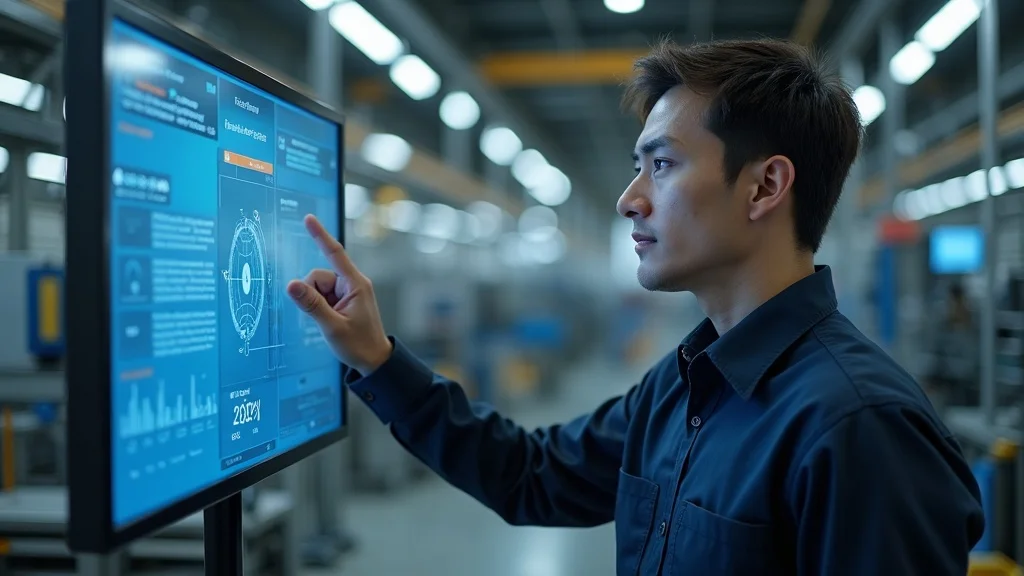
The Competitive Edge: Why New Jersey, Philadelphia, and Delaware Valley Manufacturers Must Act Now
"If you are not using AI today, you will be at a real disadvantage compared to competitors who embrace it." – Ron Schlegel, E3 Business Consulting
Harnessing Real-Time Information to Navigate Complex Manufacturing Processes
In today’s rapidly shifting manufacturing landscape, timing isn’t just important—it’s everything. Ron Schlegel stresses that the race for operational excellence is increasingly decided by who leverages factory AI integration most effectively. Decision-makers who wait risk being left behind by rivals who embrace digital tools, harnessing internet-sourced and shop floor data to optimize every layer of production. Ron’s insight is clear: AI excels at wrangling complexity. Modern manufacturing environments generate overwhelming volumes of data—material flows, equipment performance, productivity metrics, supply chain logistics. For many frontline teams, the sheer volume can paralyze decision-making. But factory AI integration transforms complexity from a burden to a strategic asset, synthesizing multi-source data into actionable intelligence far faster and more accurately than any human alone. In Ron’s words, “AI is set up to deal with all of the complexity generated on a manufacturing floor. ” By delegating tedious analytics to machines, people gain the clarity—and confidence—to make smarter, faster decisions at every level of the operation.
Forward-thinking manufacturers use this advantage to foster agility, quickly adapting processes to changing market demands or supply disruptions. Ron Schlegel frames it as a matter of competitiveness: every day manufacturers delay adopting AI, the gap with innovative competitors grows wider. This urgency is amplified in regions like New Jersey, Philadelphia, and the Delaware Valley, where industrial density and market pressure are intense. The “aha moment” here is that the tools for sustainable, outsized growth are now within reach—but only for those bold enough to act now and act decisively.
Accelerating Production and Customer Satisfaction with Factory AI Integration
Ron Schlegel asserts that one of the greatest advantages of factory AI integration is how it shortens the feedback loop between production and customer satisfaction. AI enables operators and leaders to rapidly identify inefficiencies, bottlenecks, or potential quality issues—often before they impact deliveries or service. It’s this proactive posture that distinguishes the region’s manufacturing leaders from laggards. In practical terms, AI-driven recommendations allow teams to tweak processes on the fly, ensuring that every unit produced meets or exceeds stringent quality standards. This isn’t just about technology for technology’s sake—it’s about using factory AI integration to foster a culture where customer needs are anticipated, not just met. For manufacturers competing in high-stakes environments, the ability to ensure on-time, high-quality delivery is the cornerstone of lasting client relationships and repeat business.
Schlegel emphasizes that as market cycles accelerate, so must operational response. “Things have to happen quickly today and in the future, they will only be quicker,” he says. Rather than relying on hope or intuition, manufacturers with robust AI-powered decision support can adjust setpoints, workforce deployment, and inventory flow in real time. This agility not only delivers improved customer satisfaction but also drives operational profits higher, transforming factories into engines of regional economic growth.
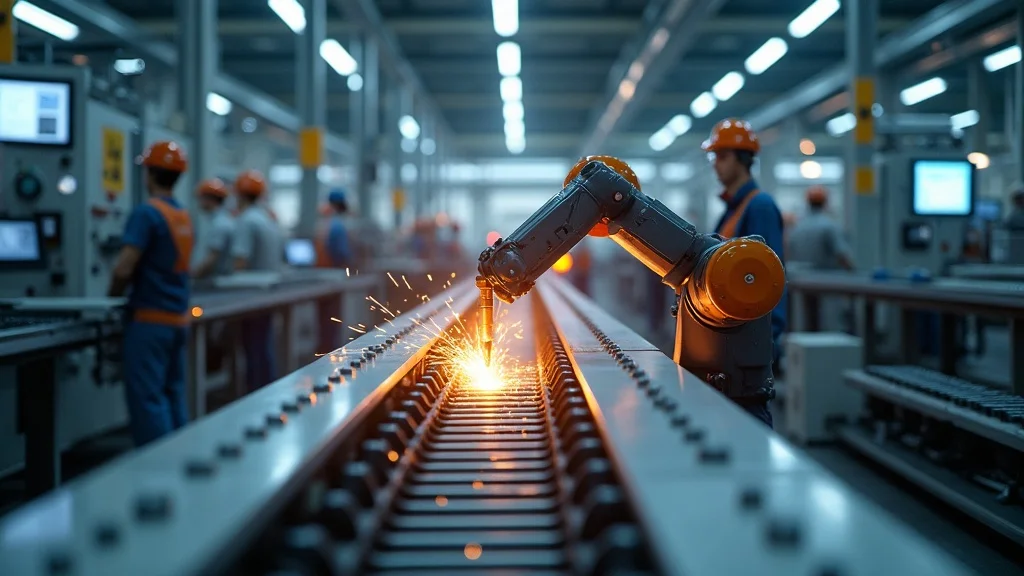
Proven Benefits: Real-World Success Stories of Factory AI Integration
"AI-driven inspection systems learn to detect anomalies beyond programmed rejects, preventing failures and improving product quality." – Ron Schlegel, E3 Business Consulting
How Visual AI Inspection Transforms Quality Control in Manufacturing
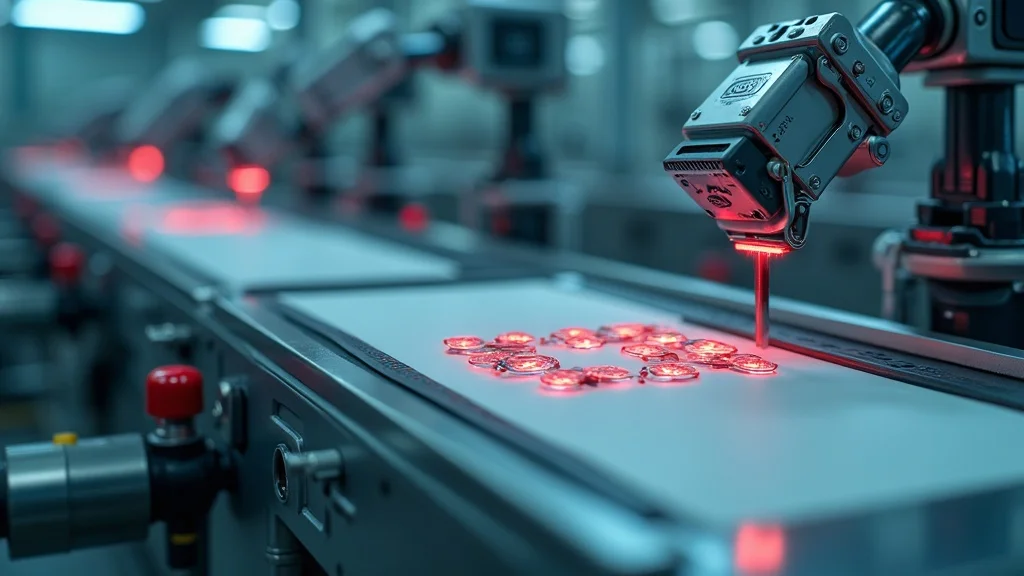
Drawing from his consulting work, Ron Schlegel highlights the transformation possible when visual AI inspection enters the manufacturing workflow. In a vivid example, he describes AI-powered systems that move beyond static, programmed thresholds. “AI is all about learning,” Ron shares, underscoring that as these systems process more images, they learn to spot both obvious rejects and subtle, emergent risks that even seasoned inspectors might miss. This shift from reactive quality control to predictive failure prevention represents a quantum leap. When AI detects anomalies—such as trace deviations on a printed circuit board—it can alert teams before defective products leave the line or halt production. The results are tangible: reduced downtime, lower scrap rates, and significantly higher outgoing quality. For Ron and his clients, visual AI inspection is not just an upgrade, but a strategic pillar in building customer trust and brand loyalty, unlocking compounding gains for manufacturers who make the leap.
- Continuous Learning AI Algorithms Enhancing Inspection Accuracy
- Early Failure Detection Avoiding Costly Downtime
- Higher Product Quality Leading to Customer Loyalty
Ron Schlegel’s perspective? The combination of AI-driven inspection and empowered employees rewrites the rules of quality assurance. Instead of chasing defects, factories can now focus on process improvement and consistent performance. This new paradigm keeps teams focused, engaged, and united toward a common goal: delivering excellence, every time, for every customer. That’s how factory AI integration becomes a permanent competitive advantage.
Starting Strong: Immediate Steps to Implement Factory AI Integration
"Start now—every day without AI integration puts you further behind your competition." – Ron Schlegel, E3 Business Consulting
Strategic Approaches to Seamless AI Adoption in Manufacturing
The journey toward factory AI integration can appear daunting, but Ron Schlegel distills the essential first step into a single, compelling call: start now. As he tells manufacturers, delay is not an option—digital transformation is a race, and every moment spent hesitating is ground lost. The first strategic approach is to identify quick-win use cases, such as quality inspection or predictive maintenance, where AI can provide immediate, measurable improvements. Ron advises that teams map current pain points against AI’s strengths. Where are data bottlenecks stifling productivity? Which processes could be automated or enhanced without sacrificing craftsmanship? By targeting areas with the highest operational drag, manufacturers can pilot AI initiatives that yield rapid ROI—building both confidence and internal buy-in for further integration. Executive sponsorship and cross-functional involvement are critical. Teams who succeed foster a learning mindset, reinforcing that successful AI adoption is less about the technology itself and more about how people adapt and grow with it.
Equipping talent with the curious, experimental mindset to iterate quickly pays dividends. Employee training, collaborative problem solving, and transparent change management build a culture ready for continual learning. In Ron’s experience, manufacturers who treat AI adoption as a journey—not a one-off rollout—see compounding returns in process improvement, morale, and market share. This is how New Jersey, Philadelphia, and Delaware Valley businesses can set their factories on a growth trajectory powered by human-AI partnership.
Aligning AI Tools with Employee Empowerment and Process Improvement
Ron Schlegel frames factory AI integration as an exercise in empowerment—placing employees at the center, not the periphery, of technological change. He advocates involving operators and supervisors early in tool selection and pilot programs, ensuring the technology truly supports their needs and boosts their day-to-day effectiveness. By listening to employee feedback, manufacturers can refine AI workflows for both usability and impact. According to Ron, the transformation is as much cultural as it is technical. By aligning process improvement goals with AI capabilities, manufacturers create an environment in which everyone—from the plant floor to the C-suite—contributes to and benefits from digital innovation. The “aha moment” for regional manufacturers: AI is not a threat to be managed, but a lever for amplifying the very strengths that make your workforce your greatest competitive asset.
Reinforcing a people-first approach—through continuous training, communication, and recognition—turns AI skeptics into champions. Factories that succeed in integrating AI report higher retention, improved collaboration, and a confident, future-ready workforce. For Ron Schlegel, this alignment of technology and talent is not just best practice: it’s the secret sauce that powers the world’s most resilient, agile industrial organizations.
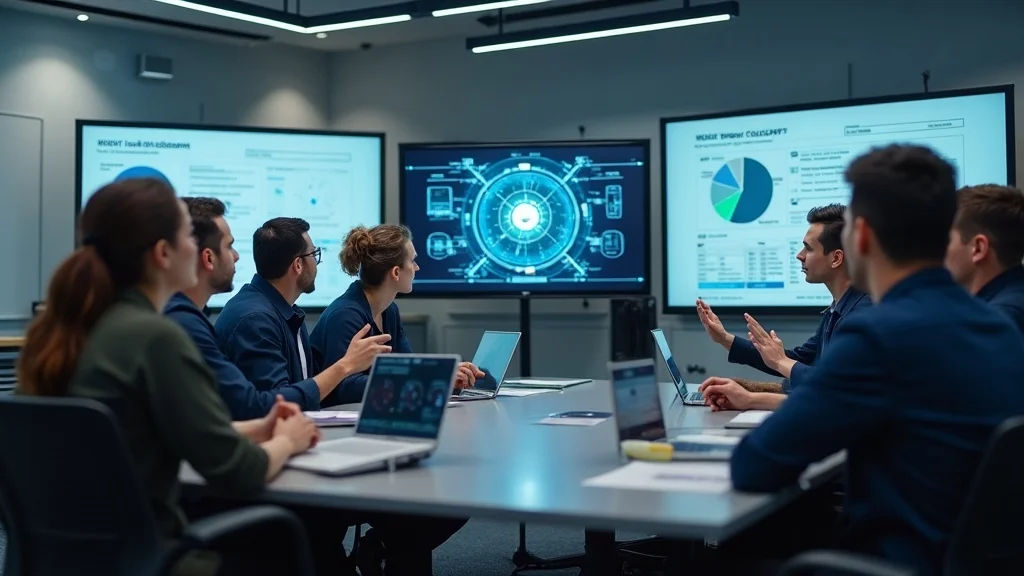
Common Misconceptions and Actionable Tips for Manufacturers
- Misconception: AI will replace workers — Reality: It amplifies human decision-making.
- Tip: Invest in training operators to become AI-empowered decision-makers.
- Tip: Leverage AI to handle data complexity and boost operational flow.
Ron Schlegel’s front-line experience exposes persistent misconceptions that can delay or derail digital transformation. Chief among them is the fear that AI will supplant human workers, turning once-thriving factories into jobless zones. In reality, as Ron repeatedly affirms, AI is a catalyst for human empowerment. By investing in ongoing training and upskilling, leaders can cultivate a workforce that not only embraces new tools but thrives because of them. According to Ron, the smartest manufacturers use AI as a partner—not a replacement. When teams are educated, equipped, and motivated, they become the organization’s most powerful advocates for continuous improvement. Companies who leverage AI to manage data complexity see workflow efficiency rise while human ingenuity solves higher-order challenges, unlocking potential that outdated processes once suppressed.
This collaborative strategy doesn’t just future-proof your workforce—it elevates it. Employee empowerment, combined with factory AI integration, produces a culture of ownership, speed, and resilience, enabling manufacturers to weather competitive threats and changing markets with confidence. For New Jersey, Philadelphia, and Delaware Valley plants, these actionable tips will serve as foundational steps for high-impact, people-centered transformation.
Conclusion: Seize the Opportunity with Factory AI Integration to Lead Your Market
"AI is the tool that assists your people to make better and quicker decisions — that creates smoother operations and faster customer satisfaction." – Ron Schlegel, E3 Business Consulting
Empowering Manufacturers in the Delaware Valley to Compete and Grow
As Ron Schlegel’s insights illuminate, the path to lasting competitive advantage isn’t found in technology alone—it’s found in the unique synergy of your people and AI. By embracing factory AI integration as a partner in improvement, manufacturers in New Jersey, Philadelphia, and the Delaware Valley can rise above market pressures and set new standards for quality, efficiency, and customer loyalty. Every step forward, from rapid learning cycles to lights-out quality assurance, is powered by a workforce that feels valued, supported, and emboldened to innovate.
Next Steps: Join Ron Schlegel’s Workshops to Master Factory AI Integration
Now is the time for bold action. As Ron Schlegel stresses, “Start now—every day without AI integration puts you further behind your competition. ” Manufacturers ready to win should invest in targeted training, pilot smart solutions, and commit to empowering their teams for a data-rich, high-speed future. Ready to make the leap? Contact E3 Business Consulting today to join upcoming workshops with Ron Schlegel and your peers—unlocking the full magic of factory AI integration and securing your market leadership for years to come.
For those looking to expand their expertise beyond AI, exploring broader strategies in manufacturing project management can provide a holistic edge. The Project Management Archives offer a wealth of insights on optimizing processes, leading teams, and driving sustainable growth—empowering you to build a future-ready operation from every angle.
Integrating artificial intelligence (AI) into manufacturing processes offers numerous advantages, including enhanced efficiency, improved quality control, and optimized supply chain management. For a comprehensive understanding of these benefits, consider exploring the following resources:
-
“Artificial Intelligence (AI) in Manufacturing”: This article delves into how AI is utilized for process automation, supply chain optimization, and data-driven decision-making to boost productivity and efficiency. (intel.com)
-
“How is AI Used in Manufacturing?”: This resource discusses the transformative impact of AI on the manufacturing industry, highlighting its role in reducing costs, optimizing supply chains, and introducing automation for efficiency gains. (cisco.com)
By reviewing these articles, you’ll gain valuable insights into the practical applications and strategic advantages of AI integration in manufacturing.



Write A Comment