• Home
  • Categories
    • Entrepreneurs
    • Growth Stories
    • Expert Insights
    • Innovators
    • Franchise and Expansion
    • Tools and Services
    • Commercial Property
    • Trends
July 22.2026
1 Minute Read

Why Lean Office Operations Philadelphia Could Be Your Game Changer

Ron Schlegel's Core Insight: Unlock Profit by Streamlining Lean Office Operations Philadelphia

The contemporary manufacturing world in the Philadelphia region and beyond is at a turning point where efficiency and profit margins depend not just on shop floor performance, but increasingly on the speed, accuracy, and elimination of waste in office processes. Drawing from over 25 years of experience advising manufacturers through senior leadership and Lean/Six Sigma expertise, Ron Schlegel of E3 Business Consulting understands why lean office operations are the hidden lever for profit growth. As supply chains demand agility and margins face tighter pressure, the back-office is no longer an afterthought; it must become a driver of competitive advantage.

Schlegel’s core insight is both simple and profound: “Office administrators often don’t realize how much money is spent in office processes to create the perfect order, and by defining what the perfect order really means, companies can align every process to achieve it. ” This not only provides a vision but gives manufacturers a concrete starting point—define the value you seek, measure where office effort is truly going, and deliberately align every support process to deliver it faster and with less waste.

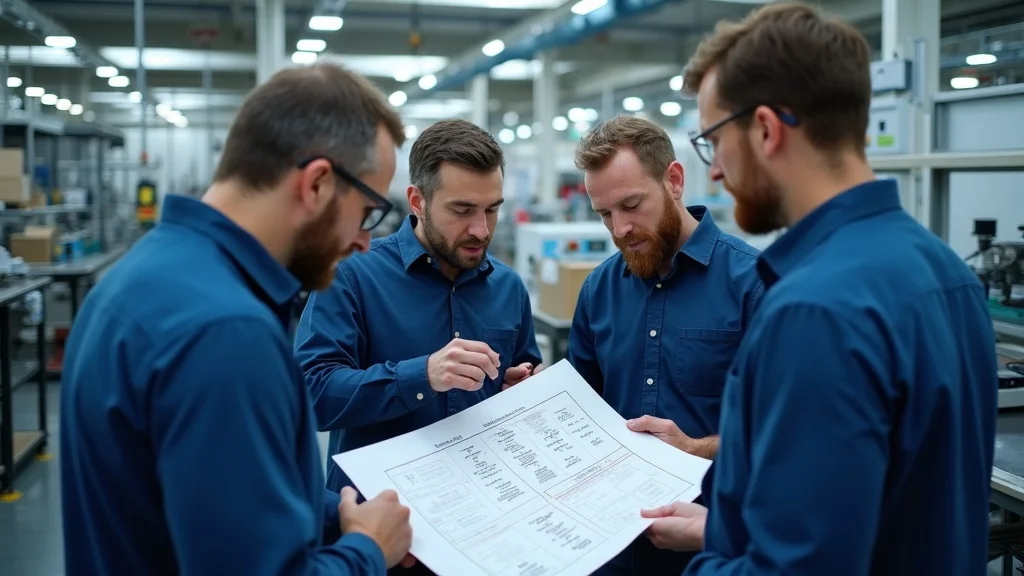
Professional manufacturing office team collaborating on lean office operations philadelphia—modern Philadelphia office, dynamic teamwork, digital tools, focused productivity, large city windows
“Office administrators often don’t realize how much money is spent in office processes to create the perfect order, and by defining what the perfect order really means, companies can align every process to achieve it.”
– Ron Schlegel, E3 Business Consulting

Why Lean Office Operations Philadelphia Matters Right Now for Delaware Valley Manufacturers

The Hidden Costs: How Inefficient Office Operations Erode Manufacturer Profits

According to Ron Schlegel, manufacturers frequently have a blind spot when it comes to office process waste. Frontline leaders track shop floor expenses and productivity to the penny, yet office roles—order entry, invoicing, purchasing, and scheduling—often escape scrutiny. The unintended result is significant hidden costs as outdated workflows pile on labor hours, cause errors, and delay the “perfect order” that keeps customers happy and loyal. Lean office operations in Philadelphia expose and address these profit leaks, giving companies an untapped opportunity to fuel growth.

Schlegel notes that “The more money spent in the office processes, the less there is left for profit. Many companies don’t even know how much is wasted inside their offices, yet using Lean to identify and eliminate this waste directly boosts the bottom line. ” Lean tools empower leaders to truly see the cost of every step, measure delay or duplication, and ruthlessly eliminate anything that doesn’t create true customer value.

Insightful contrast between disorganized paperwork and streamlined digital process in a lean office operations philadelphia environment—manufacturing office, Philadelphia skyline, emotional difference frustration vs. relief
“The more money spent in the office processes, the less there is left for profit. Many companies don’t even know how much is wasted inside their offices, yet using Lean to identify and eliminate this waste directly boosts the bottom line.”
– Ron Schlegel, E3 Business Consulting

Lean Tools for Philadelphia Manufacturing Offices: Identifying and Eliminating Waste

Implementing lean office operations is not a vague set of platitudes—it is a structured, data-driven methodology. Ron Schlegel emphasizes mapping workflows to create visibility and highlight delay points, then setting perfect order criteria that reflect what actually matters to the customer. By leveraging proven tools from Lean Six Sigma—such as value stream mapping and root-cause analysis—manufacturers uncover hidden backlogs and recurring errors. This shines light on not just where work “gets done,” but where work gets stuck, redone, or misunderstood.

The process only succeeds when paired with real accountability and empowerment. Regular measurement, transparent reporting, and letting those who work the process own and improve it, unlock sustainable gains. As Schlegel teaches, the aim is not mere cost-cutting but to create a culture of continuous learning and performance improvement that raises morale and keeps profit flowing.

  • Map current office workflows to spot delays and redundancies
  • Set specific perfect order criteria aligned with customer expectations
  • Apply Lean Six Sigma principles to reduce processing times and errors
  • Continuously measure, refine, and empower employees for process ownership

For manufacturers looking to further refine their workflow optimization, exploring proven project management strategies can provide additional structure and clarity to Lean office initiatives.

Case Study: Dramatically Cutting Order Processing Time to Win Customer Loyalty

The advantage of implementing lean office operations in Philadelphia becomes unmistakably clear in real-world results. As Ron Schlegel recounts, one manufacturer struggled to process orders in less than 15 days. Every day spent in office paperwork compounded frustration for floor staff and left customers anxious about on-time delivery. By dissecting the workflow, measuring each handoff, and asking whether each step truly supported the “perfect order,” the team cut order processing time to just 5 days—a jaw-dropping transformation in the modern supply chain era.

Not only did this new process turn order entry into a strategic advantage by giving manufacturing ten extra days to build and deliver, it also created a culture of ownership and pride among the office team. According to Schlegel, “A client reduced their order processing from 15 days to 5 days, giving their manufacturing floor an additional 10 days to produce the product, which improved on-time delivery rates significantly. ” This powerful result demonstrates why lean office operations philadelphia are not just about cost savings, but about winning and keeping customers in a competitive regional market.

“A client reduced their order processing from 15 days to 5 days, giving their manufacturing floor an additional 10 days to produce the product, which improved on-time delivery rates significantly.”
– Ron Schlegel, E3 Business Consulting

Energetic integration between office and manufacturing floor exemplifying lean office operations Philadelphia—workers communicate through glass wall, collaborative paperwork, workflow boards, bright warehouse, teamwork

How Shortening Lead Time in Lean Office Operations Philadelphia Translates to Competitive Edge

The shift from a 15-day to a 5-day order processing cycle delivered measurable strategic advantages. Grounded in Schlegel’s experience, this transformation provided the manufacturing team with new flexibility and bandwidth: ten days previously lost to paperwork could now be redirected towards higher product quality, reduced rush fees, and responsiveness to last-minute customer requests.

These enhancements significantly lifted on-time delivery rates, a KPI that directly influences customer renewal and referral rates in high-competition markets like Philadelphia, New Jersey, and the broader Delaware Valley. Most importantly, this improvement fortified the manufacturer’s reputation for reliability—a powerful differentiator that outlasts price wars and fuels sustainable top-line growth. As Schlegel’s data-driven perspective affirms, lead-time compression in the office is a game changer with lasting impact.

Order Processing Impact: Before and After Lean Office Deployment
Metric Before Lean After Lean Improvement
Order Processing Time 15 days 5 days
Manufacturing Lead Time Reduced by 10 days Extended by 10 days
On-Time Delivery Below Target Significantly Improved

Practical Steps to Implement Lean Office Operations for Philadelphia and New Jersey Manufacturers

For manufacturers in Philadelphia, New Jersey, and the Delaware Valley, launching lean office operations requires more than enthusiasm—it demands precision, teamwork, and data-backed discipline. First, according to Ron Schlegel, manufacturers should rigorously define what the “perfect order” means for their business and their customers. This creates a reference point for every improvement.

Next, empower your office staff through targeted Lean training and entrust them with actual ownership of workflow improvements. As you introduce new tools, maintain continual feedback loops: use key performance indicators to expose bottlenecks, then foster a culture where every employee feels responsible and capable of driving positive change. Finally, integrating technology such as workflow software and analytics dashboards turns incremental progress into ongoing business intelligence, turbocharging productivity and driving profits.

  • Define the perfect order and measurable targets
  • Train office teams on Lean principles and empower ownership
  • Regularly monitor waste points and implement continuous improvement
  • Leverage technology and data analytics to track performance
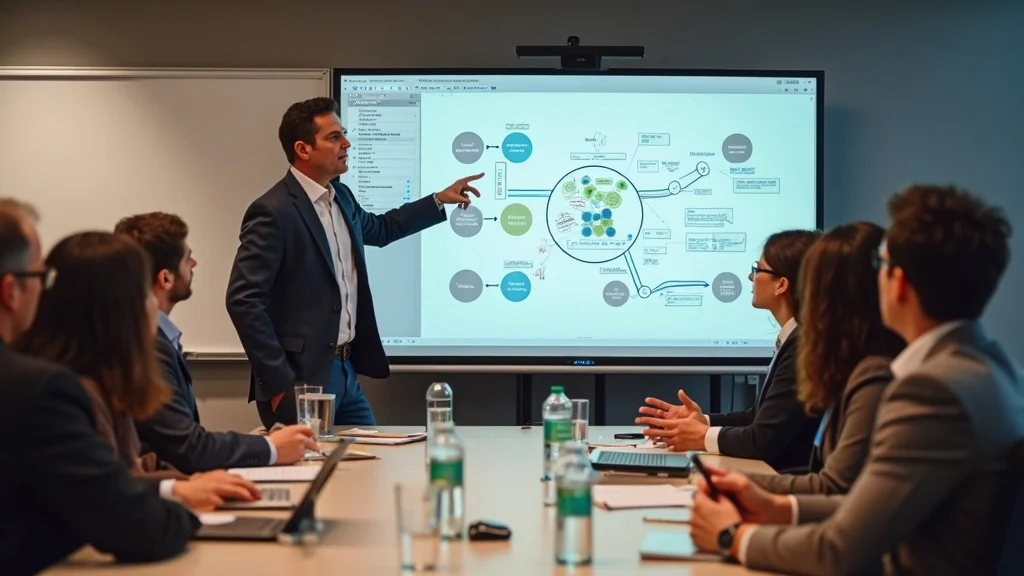
Team training on lean office operations Philadelphia—modern training room in Philadelphia, engaged staff with digital displays and whiteboards, group participation, high realism

Common Misconceptions About Lean Office Operations Debunked

Despite proven results, myths about lean persist in office environments. Ron Schlegel regularly addresses these misconceptions in his consulting practice. He stresses that Lean isn’t just for manufacturing floors—it’s equally transformative for administrative workflows. Many worry that Lean is code for layoffs, but the real aim is to strip out non-value-added steps, not people.

Another misconception is that metrics aren’t needed in the office; Schlegel argues the opposite, that data is crucial to uncovering where work stalls or multiplies. Embracing metrics unlocks breakthroughs and brings clarity to messy, subjective processes. This balanced approach ensures every improvement effort delivers measurable, sustainable value.

  • Lean is only for manufacturing floors – it’s equally transformative for office workflows
  • Lean means cutting headcount — it focuses on eliminating waste, not people
  • Data isn’t needed — metrics drive successful Lean implementations

Summary: Lean Office Operations Philadelphia as a Profit Multiplier for Delaware Valley Manufacturers

The evidence is clear—a disciplined approach to lean office operations in Philadelphia cascades directly into higher profits, faster customer fulfillment, and a more empowered team. Ron Schlegel’s firsthand experience, combined with data-backed methodology, offers a blueprint for transformation: bring Lean’s rigor and measurement into every office function, and make process excellence the backbone of your competitive strategy.

In Schlegel’s words: “By bringing Lean’s discipline into office processes, manufacturers remove hidden costs, accelerate order fulfillment, and unlock greater profit margins. It’s a game changer in today’s competitive landscape. ” For manufacturing leaders in Philadelphia, New Jersey, and the Delaware Valley, embracing this path is not an option—it’s a strategic imperative.

“By bringing Lean’s discipline into office processes, manufacturers remove hidden costs, accelerate order fulfillment, and unlock greater profit margins. It’s a game changer in today’s competitive landscape.”
– Ron Schlegel, E3 Business Consulting

Optimistic manufacturing executive overseeing lean office operations Philadelphia—modern, light-filled office, organized workflow, confident leader, purposeful staff, professional interior

Take the Next Step: Empower Your Manufacturing Office with Proven Lean Strategies

Ready to transform your office into a powerhouse of profit and efficiency? According to Ron Schlegel, momentum starts with education, community, and commitment. Join hands-on workshops, access customized strategies built for the Philadelphia and Delaware Valley region, and unlock practical know-how that translates directly to the bottom line. Make your office the linchpin of customer loyalty and competitive leadership in your industry.

  • Join Ron Schlegel’s hands-on workshops to learn Lean office deployment
  • Access tailored strategies for Philadelphia, New Jersey, and Delaware Valley manufacturers
  • Transform your office operations into a profit-driving engine

If you’re interested in expanding your operational excellence beyond the office, the Project Management Archives offer a wealth of insights on strategic planning, execution, and leadership for manufacturers ready to take the next step in their continuous improvement journey.

To further enhance your understanding of lean office operations in the Philadelphia region, consider exploring the following resources:

  • Lean Six Sigma | Community College of Philadelphia

This program offers comprehensive training in Lean Six Sigma methodologies, focusing on eliminating waste and improving quality. Participants can gain practical skills applicable to various organizational processes. (ccp.edu)

  • Lean Process Improvement | Community College of Philadelphia

This workshop provides foundational knowledge in Lean principles, including tools like 5S, PDSA, and value stream mapping, aimed at optimizing operations and increasing customer value. (ccp.edu)

If you’re serious about implementing lean office operations in Philadelphia, these resources will provide you with the necessary knowledge and tools to drive efficiency and profitability in your organization.

Expert Insights

0 Comments

Write A Comment

*
*
Please complete the captcha to submit your comment.
Related Posts All Posts
07.21.2026

Unlock Leadership Success: 3 ChatGPT Prompts for Uncertain Times

Update Understanding the Landscape of Uncertainty in Leadership In today's fast-paced world, leaders continually face fluctuating challenges that demand quick adaptations and strategic thinking. This environment of uncertainty can stem from political, economic, or social changes, making effective leadership both vital and complex. In this context, utilizing tools such as ChatGPT can empower leaders to navigate these turbulent waters. By understanding the various facets of uncertainty, leaders can approach their roles with a comprehensive perspective, ensuring they are fully equipped to manage both anticipated and unforeseen challenges. Three Essential ChatGPT Prompts for Leaders To assist leaders in harnessing the power of AI during challenging times, we’ve narrowed down three effective ChatGPT prompts. These prompts can help refine decision-making processes, enhance communication, and foster innovation across an organization. Each prompt invites leaders to consider their unique situations and provides a framework for utilizing AI in a thoughtful manner to resonate with both teams and broader organizational goals. 1. Prompt for Strategic Reflection "What are the potential impacts of current market trends on my organization, and what alternative strategies can I consider?" This prompt allows leaders to engage in strategic reflection. By analyzing various market scenarios, they gain insights into possible shifts and can prepare by adjusting their strategies accordingly. The outcome is a proactive approach to uncertainties. This deliberate reflection not only prompts leaders to locate potential risks but also encourages them to pivot when necessary, fostering resilience. 2. Promoting Team Cohesion "How can I maintain team morale and productivity amid ongoing challenges?" Leveraging this prompt encourages leaders to consider strategies that enhance team cohesion. During uncertain periods, fostering a strong team dynamic is crucial for overall success. ChatGPT can provide suggestions for team-building activities, communication practices, and recognition initiatives that help keep the team's spirit high. Leaders can implement virtual coffee breaks or brainstorming sessions as a way to bolster morale and facilitate open communication in a remote environment. 3. Encouraging Innovative Solutions "What innovative solutions can we explore to address our current challenges?" Innovation is key in navigating uncertainty. By utilizing this prompt, leaders can explore creative problem-solving techniques and identify new opportunities within their industries. ChatGPT can provide insights into trends and emerging technologies that may inspire fresh ideas. Encouraging a culture of innovation ensures that teams remain agile, adaptable, and ready to seize opportunities that innovation often presents, even amidst disruption. Embracing Technology: A Leader's Best Ally The role of technology in leadership has surged, particularly in times of crisis. As leaders adapt to ever-evolving landscapes, tools like ChatGPT become indispensable allies. These platforms offer data-driven insights that can enhance clarity and facilitate informed decision-making. By harnessing technology, leaders can better monitor industry trends and analyze consumer behavior, which in turn aids them in making timely adjustments to their strategies. Furthermore, technology fosters a more engaged and transparent workspace, enabling leaders to connect deeply with their teams. Future Predictions and Trends in Leadership Looking ahead, one can anticipate that the integration of AI into leadership practices will become increasingly prevalent. Organizations that embrace these technologies are likely to achieve a competitive edge. As AI tools evolve, they will support leaders in better understanding their environments and refining their approaches to challenges. Given the rapid development of AI capabilities, leaders will need to stay informed and adaptable, continually learning and evolving with technology. This shift toward AI could also lead to greater democratization of information, where insights are accessible at all levels of an organization, fostering collaboration and collective problem-solving. Decisions You Can Make With This Information Leaders who leverage AI technologies are better positioned to make well-informed decisions that drive growth and resilience. The insights gained through tools like ChatGPT encourage a culture of collaboration. They empower leaders to tap into their team’s strengths and viewpoints, understanding that diverse perspective leads to more comprehensive solutions. Furthermore, understanding common challenges faced by peers allows leaders to navigate their unique paths with more confidence. Actively seeking such insights fosters a community of shared knowledge and continuous improvement, vital for any organization aiming to thrive in today's complex environment. Conclusion: The Importance of Adaptability In navigating uncertain times, adaptability is crucial. Leaders must be prepared to rethink their strategies and embrace new technologies. By utilizing ChatGPT effectively, they can better anticipate changes, engage their teams, and foster innovation, positioning themselves for success regardless of external challenges. The digital landscape is continuously shifting, and leaders who remain receptive to change will not only survive but thrive. As you reflect on your approach to leadership, consider implementing these prompts to see how they can enhance your strategic insights. In doing so, you assert your commitment to effective leadership that adapts to the needs of your organization and the environment it operates within.

07.21.2026

10 Essential Strategies to Engage Online Consumers Effectively

Update Elevating Consumer Connections in the Digital Realm In a world where online interactions are replacing traditional storefront engagements, establishing genuine connections with consumers is paramount. A staggering 76% of consumers express a preference for personalized experiences. This insight reveals that engaging online consumers goes beyond mere transactions; it is about creating meaningful relationships. Businesses that prioritize customer engagement not only enhance satisfaction but also realize that engaged customers generate 23% more revenue than those who are not fully engaged. Thus, the question arises: how can brands effectively engage their audiences in this digital age? Crafting Your Brand’s Narrative Every established brand has a story that resonates with its audience, and telling this story is essential for building trust. By sharing authentic insights into your brand’s values, you create a relatable image. Highlighting your values through social media posts and showcasing your team’s hard work through behind-the-scenes content can help humanize your brand—making it more accessible to consumers. Additionally, featuring testimonials from satisfied customers enhances credibility and fosters deeper connections. Sharing personal anecdotes or customer stories during your marketing campaigns can also create emotional links between the audience and the brand, encouraging a stronger allegiance. Creating Valuable Content for Your Audience In the digital marketplace, not all content is created equal. High-value content should not only engage but also simplify complex topics for easier consumer understanding. With so much information available, providing clarity is crucial. By utilizing analytics-driven tools, brands can personalize their content, delivering targeted information aligned with customer needs and interests. Incorporating dynamic elements like videos, infographics, and interactive polls can bolster engagement and significantly influence purchasing decisions. Understanding that 76% of consumers appreciate tailored content significantly shapes the direction of your brand’s digital strategy and reinforces that content must always cater to your audience’s preferences. The Importance of an Omnichannel Approach The omnichannel experience is no longer just a competitive edge; it’s essential for survival in today’s marketplace. Consumers expect seamless interactions across various platforms, and cohesive messaging solidifies brand loyalty. By engaging customers on multiple channels—whether via social media, email, or website—brands ensure that customers receive consistent messaging that builds trust and familiarity. This strategy enhances customer retention while also positioning the brand favorably in an increasingly crowded market, where consumers expect nothing short of excellence. Using AI for Hyper-Personalization Artificial Intelligence (AI) is leading the charge in enhancing personalization in consumer engagement strategies. Tools that analyze user behavior and trends allow brands to deliver bespoke content that aligns with individual preferences. This level of engagement not only enhances customer satisfaction but also significantly reduces churn rates. By adopting AI-driven strategies, brands can move beyond generic communication and cultivate unique relationships with each consumer, leveraging insights that put the consumer at the center of their marketing efforts. For example, personalized product recommendations based on past purchases can create a unique shopping experience, which customers often appreciate and respond positively toward. Interactions that Inspire: The Power of Community Engaging customers online isn’t merely about sales; it’s about building a vibrant community. Social media platforms provide an ideal venue for dialogue, allowing brands to connect directly with consumers through interactive content. Encouraging feedback and promptly responding to inquiries fosters loyalty and makes consumers feel valued. When customers see other users interacting positively with your brand, it amplifies the trust and community spirit. Additionally, hosting live events or Q&A sessions on social media fosters a sense of belonging, encouraging ongoing interaction between the brand and its audience. Future Predictions in Consumer Engagement As digital landscapes evolve, so too will consumer expectations. To stay competitive, brands must continuously innovate their engagement strategies. Future trends may include heightened utilization of virtual and augmented realities that offer immersive experiences, bridging the gap between the digital and physical realms. For instance, brands in the retail sector might use augmented reality to let consumers visualize how products would look in their homes before buying. Furthermore, as data privacy remains a paramount concern for many consumers, balancing personalization with ethical considerations will become a vital aspect of consumer engagement. This balance will be essential for sustaining trust in a time when data breaches are a rising concern. Conclusion: Strategies for Success In conclusion, to thrive in the digital marketplace, brands must implement thoughtful strategies that prioritize personalization, storytelling, and community engagement. As online consumers become more discerning, ensuring an exceptional customer experience through these tactics will be both a challenge and an opportunity for brands looking to forge lasting relationships. Engaging effectively means understanding consumer behavior, fostering community, and adapting to emerging technologies that can elevate customer experiences. Ultimately, these efforts will build not only customer loyalty but also drive sustainable growth in today’s interconnected environment.

07.21.2026

Unlock Success with Process Improvement Training Today

Ron Schlegel’s Core Thesis: Why Process Improvement Training Is a Game-Changer for Delaware Valley Manufacturers For manufacturers in New Jersey, Philadelphia, and across the Delaware Valley, the demand for operational excellence has never been greater. With fierce competition and shrinking margins, every organization is seeking a competitive edge. Process improvement training emerges as a proven catalyst, not just for incremental changes, but for transformative leaps in productivity, efficiency, and team engagement. Ron Schlegel of E3 Business Consulting, renowned for guiding manufacturers toward sustainable profitability, argues that such training isn't just beneficial—it's mission-critical. His 25-plus years of leadership, including Lean/Six Sigma mastery, fuel a people-centric approach that consistently unlocks measurable, lasting success. According to Ron Schlegel, while manufacturers may invest in cutting-edge machinery or automation, real differentiation happens when teams are equipped to step back, analyze, and improve how work is actually done. "Too often, companies misjudge process improvement training as time lost from production," he says, "but the reality is—done right—it turbocharges your throughput and return on every operational dollar. " With a background spanning Zodiac Aerospace, Wastequip, Molex, and Albion Engineering, Schlegel speaks from extensive, hands-on experience leading change at both the shop-floor and strategic levels. This article unpacks his compelling insights on why now, more than ever, manufacturers must prioritize process improvement training to outpace peers and build future-ready businesses. “If you are not using lean tools to improve your performance every day, you are actually falling behind.” — Ron Schlegel, E3 Business Consulting Dispelling the Myth: Process Improvement Training Doesn’t Disrupt Production—It Accelerates It A persistent fear among manufacturing leaders is that pulling staff away for process improvement training will derail production and cut into output. According to Ron Schlegel, this misconception is one of the greatest barriers to progress. The expert's perspective is that when you take a holistic view of the process and integrate training as an enabler—not a detour—you actually unlock efficiencies that boost throughput, not hinder it. Many manufacturers fall into the trap of seeing training as theoretical or separated from the “real work. ” However, Schlegel argues that properly structured training does the opposite: it immerses people in real-world problem solving that immediately pays back in operational gains. As Ron explains, reluctance to invest in employee development out of fear of lost production time is shortsighted. Manufacturers who embrace a comprehensive look at their entire process, engaging teams in skills development while simultaneously tackling production pain points, see faster setups, smoother handoffs, fewer defects, and increased capacity. “People think training takes away from the production schedule, but with a full process overview and targeted improvements, we actually make manufacturing more efficient. ” – Ron Schlegel, E3 Business Consulting. His decades-spanning experience reveals that embedding learning into the workflow—rather than quarantining it—amplifies outcomes, turning downtime into the launchpad for higher performance. Integrating process improvement training with effective project management practices can further streamline manufacturing operations and ensure that new efficiencies are sustained over time. For practical strategies on aligning process initiatives with project goals, explore the project management resources from E3 Business Consulting. Identify inefficiencies in the entire production process Apply lean manufacturing tools to streamline these areas Measure improvements in cost and lead time Sustain gains through continuous employee engagement The Competitive Imperative: How Lean Manufacturing Training Fuels Success in the Delaware Valley The Delaware Valley is home to a dense cluster of manufacturers competing in local and global markets. In this dynamic region, even the slightest inefficiency can threaten market share. Ron Schlegel highlights that process improvement training—centered on lean manufacturing tools—is not just an operational fix but a strategic necessity. “Every competitor could be improving daily with lean tools—standing still means falling behind. ” – Ron Schlegel, E3 Business Consulting. In other words, today's best practices are tomorrow's table stakes, and yesterday’s methods are a roadmap to obsolescence. Manufacturers who delay or neglect structured process improvement risk losing cost competitiveness and agility. According to Schlegel, training arms teams not only with knowledge, but with the daily discipline to hunt for waste and inefficiency—a practice that delivers performance compounding over time. When every employee, from the boardroom to the shop floor, uses lean tools to orchestrate incremental wins, the result is a flywheel effect: faster cycle times, higher yields, and the ability to respond to market changes with agility. He emphasizes that, in a sector where labor and material costs continue to rise, the ability to extract value from every phase of production is what differentiates defenders from disrupters. Real-World Impact: Lower Costs and Shortened Lead Times Through Process Improvement It’s easy to discuss process improvement training in the abstract, but real impact is measured where it counts: cost structure, lead times, and customer satisfaction. Ron Schlegel draws from a wealth of case studies, illustrating how lean processes—powered by dedicated training—yield dramatic business results. According to Schlegel, every stage of manufacturing has untapped savings and hidden bottlenecks. By uncovering these through disciplined training, organizations can do more with less, pass savings to customers, and meet even aggressive delivery targets. Consider the example he shares: “We helped companies not only reduce costs but also improve delivery times—key lean process outcomes that transform manufacturing competitiveness. ” – Ron Schlegel, E3 Business Consulting. By teaching teams to map value streams and systematically eliminate non-value-added steps, Schlegel has seen organizations move from firefighting mode to proactive progress. For leaders, this means not just hitting numbers, but building a reputation as a reliable supplier—an attribute that wins repeat business, boosts customer satisfaction, and fortifies market position year over year. Lower price points due to reduced manufacturing costs Ability to consistently meet delivery schedules by shortening lead times Enhanced customer satisfaction through reliable operations Beyond Tools: Empowering Employees and Building Sustainable Growth Through Process Improvement Training At the heart of Ron Schlegel’s approach is a firm belief that sustainable improvement is built on empowered, engaged teams—not just systems and spreadsheets. Process improvement training isn’t a one-off event or a checklist—it’s a culture change, driven by employees at all levels. Schlegel’s experience guiding manufacturers through turnarounds and growth phases reveals a consistent pattern: when employees are taught not just the “how” but the “why” behind improvement, they become proactive problem-solvers and change agents. According to Schlegel, fostering continuous improvement means equipping employees to surface challenges, propose solutions, and take ownership of outcomes—day in and day out. As teams see tangible results from their ideas, accountability and morale accelerate. "By combining people-focused leadership with lean process strategies, manufacturers unlock true competitive advantage. " – Ron Schlegel, E3 Business Consulting. The real win comes when improvement is no longer just a management initiative but a shared pursuit, aligning every process change with strategic business goals for long-term impact. Fostering a culture of continuous improvement and accountability Engaging employees to identify and solve operational challenges Aligning process improvement with business goals for lasting impact Key Takeaways: Why Manufacturers in New Jersey, Philadelphia, and Delaware Must Invest in Process Improvement Training Today Process improvement training accelerates efficiency without halting production Lean manufacturing tools are essential to stay competitive in the Delaware Valley Training yields measurable gains in cost, delivery, and team engagement Empowered teams drive continuous improvements that sustain profitability Next Steps: How to Unlock Your Manufacturing Potential with Ron Schlegel’s Expert Workshops The Delaware Valley manufacturing sector stands at an inflection point—those who invest today in process improvement training and employee development will set the pace for tomorrow’s winners. Ron Schlegel’s workshops are purpose-built to help teams not only learn lean principles, but apply them in the factory for immediate results and long-term advantage. From reducing costs and cycle times to boosting morale and strategic agility, Schlegel helps organizations turn intention into impact. For manufacturing leaders in New Jersey, Philadelphia, and across the region, there’s never been a better time to elevate your operation. As Ron Schlegel underscores, the path to breakthrough performance is paved with empowered people and proven process. The next decisive move is yours. “By combining people-focused leadership with lean process strategies, manufacturers unlock true competitive advantage.” — Ron Schlegel, E3 Business Consulting Ready to drive measurable improvements in your manufacturing operations? Sign up for Ron Schlegel’s process improvement training workshops tailored for Delaware Valley manufacturers—designed to help your team learn, apply, and sustain lean manufacturing success. As you continue your journey toward operational excellence, consider how integrating robust project management methodologies can further amplify the results of your process improvement efforts. The Project Management Archives at E3 Business Consulting offer a wealth of insights on aligning teams, managing change, and sustaining momentum across complex initiatives. By exploring these resources, you’ll discover advanced strategies to bridge the gap between process optimization and long-term business growth—empowering your organization to thrive in a rapidly evolving manufacturing landscape. To further enhance your understanding of process improvement training, consider exploring the following resources: “LEAN Process Improvement: Delivering More with Less” (amanet.org) This course teaches practical tools and techniques to help you identify waste, streamline workflows, and deliver more value with fewer resources. “Continuous Improvement Techniques” (asq.org) This interactive course presents widely accepted definitions for quality and examines continuous improvement techniques, encouraging learners to use some of the tools and methods discussed. If you’re serious about enhancing your manufacturing operations, these resources will provide you with valuable insights and practical strategies to implement effective process improvement training.

Where small business makes big moves.

COMPANY

  • Privacy Policy
  • Terms of Use
  • Advertise
  • Contact Us
  • Menu 5
  • Menu 6

ABOUT US

Daily Business Wire is the go-to hub for entrepreneurs, franchise owners, and growing companies. It features interviews, market insights, business tools, and exit strategies. A trusted platform for thought leadership and visibility.

© 2025 CompanyName All Rights Reserved. Address . Contact Us . Terms of Service . Privacy Policy

Terms of Service

Privacy Policy

Core Modal Title

Sorry, no results found

You Might Find These Articles Interesting

T
Please Check Your Email
We Will Be Following Up Shortly
*
*
*