• Home
  • Categories
    • Entrepreneurs
    • Growth Stories
    • Expert Insights
    • Innovators
    • Franchise and Expansion
    • Tools and Services
    • Commercial Property
    • Trends
November 14.2026
1 Minute Read

Why Off Hours Commercial Painting Saves Your Business Time

Cleve Dayton's Expert Insight: Off Hours Commercial Painting Is Key to Business Continuity

Time is quite literally money in today’s demanding commercial landscape—especially in sectors like healthcare, corporate offices, and technology hubs that drive the Silicon Valley economy. The secret to keeping your facility looking pristine without sacrificing productivity? Off hours commercial painting. As Cleve Dayton of The Painting Pros has witnessed across countless projects from San Jose to Palo Alto, strategic after-hours painting can mean the difference between a seamless refresh and frustrating downtime.

What does it take to execute a flawless paint job in bustling environments like medical offices and high-traffic workplaces? It comes down to deep industry experience, vigilant project coordination, and, above all, putting the unique operational needs of the client front and center. As Cleve Dayton puts it, choosing a painting partner with proven expertise in commercial and medical settings isn’t just a preference—it’s essential for business continuity.

The most important takeaway is to hire a company experienced in medical buildings, not just a small handyman—you want professionals who understand the unique challenges and can minimize downtime.
– Cleve Dayton, The Painting Pros
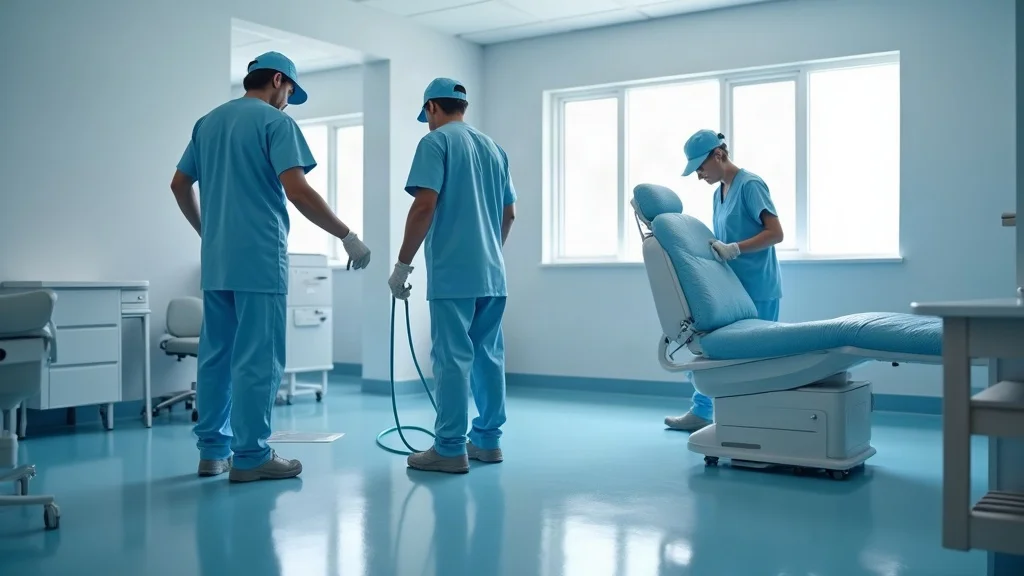
Off hours commercial painting team expertly preparing and painting a modern medical exam room, demonstrating collaborative teamwork, clean uniforms, and organized equipment in a well-lit clinic setting.

Why Facility Managers Across San Jose to Palo Alto Choose Off Hours Painting

Facility managers and property decision-makers throughout Silicon Valley—from San Jose and Sunnyvale to Palo Alto and Los Altos—face one overarching challenge: How do you update your office spaces without interfering with daily operations or patient care? Off hours commercial painting is the reliable answer. By scheduling painting projects when facilities are empty or during scheduled downtimes, you ensure business continuity and professional results—with minimal interference.

According to Cleve Dayton, the best results come from proactive scheduling aligned with operational calendars. For example, many medical offices leverage holiday closures or planned staff vacations as prime painting windows. “We often schedule painting projects during holidays or doctors’ vacations so there’s downtime to complete the work and have spaces ready before operations resume,” explains Dayton. This advanced approach is one reason The Painting Pros are trusted across the region’s competitive business landscape.

We often schedule painting projects during holidays or doctors’ vacations so there’s downtime to complete the work and have spaces ready before operations resume.
– Cleve Dayton, The Painting Pros

Strategic Scheduling: Aligning Painting Projects with Medical Office Downtime

Leveraging Holiday Periods and Off-Hours for Seamless Painting

The most effective off hours commercial painting projects don’t just happen—they are meticulously orchestrated around your facility’s unique rhythms. In the heart of Silicon Valley, where medical practices must prioritize patient experience and office managers juggle tight timelines, taking advantage of natural lulls is critical. As Dayton notes, completing work during year-end holidays or planned staff vacations allows for full-scale transformations—with zero patient or staff interference.

But what if your office doesn’t have extended downtime? That’s where flexible, after-hours scheduling shines. As Dayton describes, “In offices that operate during regular hours, we come in at the end of the day, paint overnight, and ensure workspaces are clean and ready for the next business day. ” This agile model ensures every coat goes on without leaving a trace of disruption. The end result? A space that’s fresh, clean, and fully functional each morning—no interruptions, no lost revenue.

For a closer look at how professional painting teams coordinate with facility managers to minimize disruption and maximize efficiency, you can explore additional insights from The Painting Pros’ expert articles on commercial painting best practices.
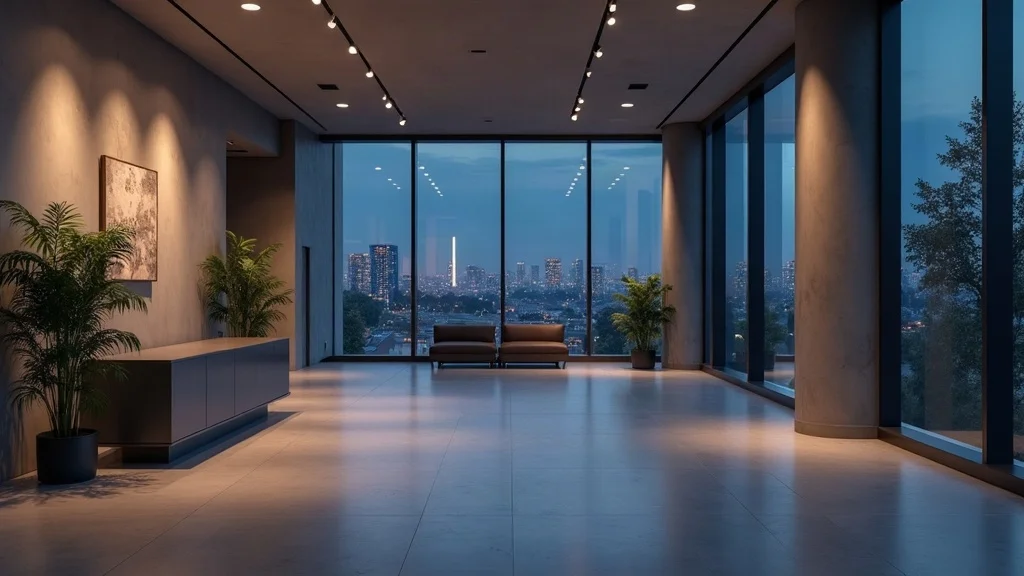
Freshly painted office lobby after hours in Silicon Valley, off hours commercial painting project completed with spotless floors and modern, peaceful ambiance under city lights.
In offices that operate during regular hours, we come in at the end of the day, paint overnight, and ensure workspaces are clean and ready for the next business day.
– Cleve Dayton, The Painting Pros

Proactive Planning: Minimizing Disruption for Healthcare and Corporate Facilities

Smooth off hours commercial painting projects don’t just happen by chance—they’re rooted in strong partnerships and proactive communication. According to Dayton, one of the biggest barriers for clients is the pre- and post-painting preparation, particularly in sensitive environments like medical offices. The Painting Pros help relieve this stress by guiding each client through exactly what to expect and how to prepare, often assisting with moving equipment or furniture ahead of time.

That commitment doesn’t end when the paint dries; it’s essential that your painting partner restores the workspace to perfect order before the next shift. “Our team is diligent about cleaning and resetting all areas after each work session—so the only evidence of our work is the renewed appearance,” Dayton emphasizes. This meticulous approach turns what could be a disruptive event into a seamless improvement, empowering staff and impressing clients without missed appointments or lost productivity.

  • Coordinate closely with property and operations managers well in advance.
  • Assist clients with pre-paint preparations, including furniture and equipment relocation.
  • Ensure rapid project completion to reduce downtime for medical or office staff.
  • Maintain stringent cleaning and safety protocols for sensitive environments.

Project manager and facility manager coordinating off hours commercial painting schedule for a Silicon Valley business, reviewing charts and facility blueprints with attentive planning.

Challenges in Off Hours Commercial Painting and How Experienced Contractors Overcome Them

Understanding Client Pain Points in Medical and Business Settings

From Los Gatos medical offices to Mountain View tech campuses, unique operational hurdles arise for every commercial painting job. What stands out in Cleve Dayton’s experience is that the primary difficulties exist not for the painters, but for the clients—doctors, dentists, and managers—who must adjust their routines, prepare spaces, and coordinate their return to business-as-usual immediately after painting. The Painting Pros mitigate these pain points with fast, detail-oriented work, transparent communication, and readiness to help before and after the project.

Strategic experience in commercial and healthcare projects is what sets contractors like The Painting Pros apart. Dayton’s team brings not only technical painting expertise but also a keen understanding of the compliance, cleaning, and scheduling requirements that come with sensitive medical and high-traffic environments. This commitment guarantees that every detail—from low-odor paint selection to the secure handling of medical equipment—is thoughtfully managed for optimal results and minimal stress.

Challenge Impact on Business The Painting Pros’ Solution
Pre- and post-paint office preparation Requires staff time and planning Provide detailed scheduling guidance and assistance
Ensuring workspace is ready for next day Risk of operation delays End-of-day painting with thorough cleaning
Minimizing odor and disruptions Patient and employee discomfort Use low-VOC, quick-drying paints and safety protocols

Serving Silicon Valley’s Commercial Hubs: Tailored Off Hours Painting from San Jose to Los Altos
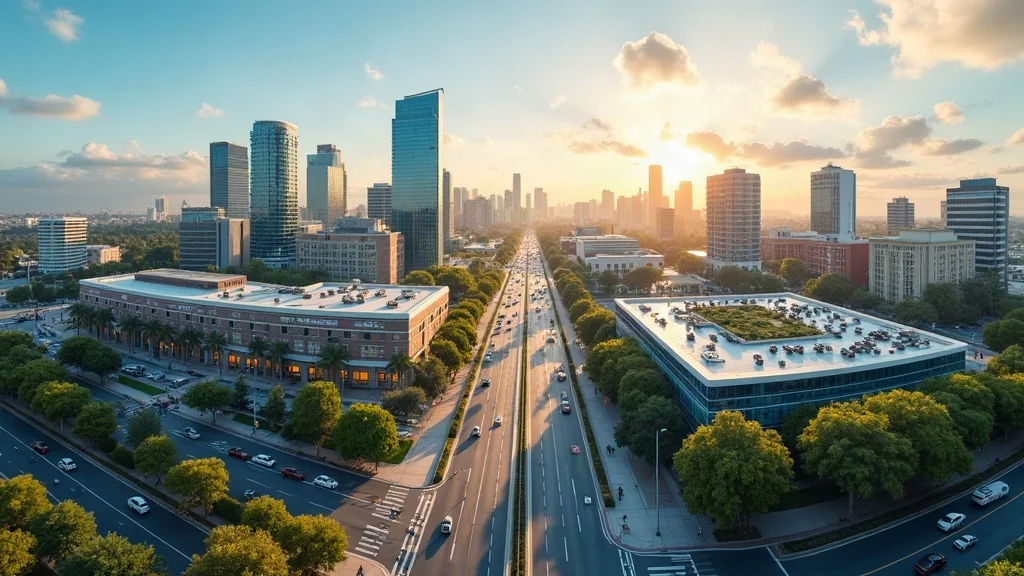
Off hours commercial painting services across Silicon Valley, showing bustling cityscapes with medical, tech, and retail buildings in San Jose, Palo Alto, Los Altos, and more.

Custom Solutions for Diverse Facility Needs Across Key Cities

No two commercial facilities are identical, and neither are their schedules or painting requirements. As Cleve Dayton notes, off hours commercial painting must be tailored to fit multifaceted Silicon Valley locations. In San Jose and Sunnyvale, ultra-fast turnarounds matter for high-paced tech offices. In Los Gatos and Saratoga, medical offices prioritize minimal contamination and disruption to patient care. For Palo Alto and Mountain View corporations, night and weekend work are crucial, while retail and mixed-use properties in Morgan Hill or Almaden depend on flexible, low-impact solutions.

What unites all these projects is the demand for commercial painting partners who understand the stakes—and deliver on time, every time. The Painting Pros’ versatile experience spans healthcare, high-tech, retail, and multi-use spaces, so they are adept at crafting custom schedules, color strategies, and project plans that accomplish client objectives with unmatched professionalism.

  • San Jose and Sunnyvale: Tech office environments with tight operational schedules
  • Los Gatos and Saratoga: Medical offices requiring specialized handling
  • Palo Alto and Mountain View: Corporates needing flexible night and weekend work
  • Morgan Hill and Almaden: Retail and mixed-use properties requiring minimal customer disruption

Why Choosing The Painting Pros Ensures Reliable Off Hours Commercial Painting in Medical Facilities

Our experience in healthcare and commercial sectors means we know the ins and outs, including OSHA compliance and specialized training to protect sensitive environments.
– Cleve Dayton, The Painting Pros
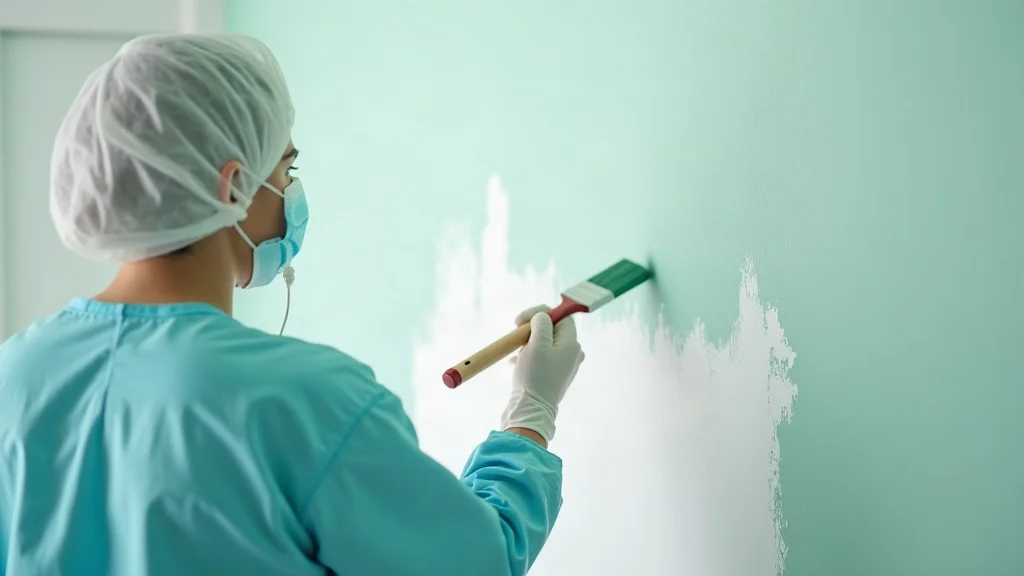
Off hours commercial painting with low-VOC paint in a medical facility, showing a safety-compliant painter applying paint in a clean clinic environment.

The Value of Expert Color Consultation and Maintenance Contracts

According to Cleve Dayton, facility appearance is more than a fresh coat of paint—it’s a living signal of your business values, brand, and attention to detail. The Painting Pros take this to heart by pairing every project with expert color consultations and by offering ongoing maintenance contracts. Their consultation process uses color psychology to boost your brand’s impact, enhance customer comfort, and even foster greater employee productivity.

When it comes to compliance, you can’t cut corners. The Painting Pros are fully licensed, insured, and OSHA-compliant, with every team member trained for sensitive conditions—including healthcare facilities facing regulatory standards and unique cleanliness requirements. Flexible scheduling, combined with a results-driven, year-round maintenance approach, ensures property value isn’t just maintained—it’s continuously enhanced.

  • Boost brand presence with color psychology expertise
  • Maintain property value with year-round maintenance plans
  • Licensed, insured, and OSHA-compliant services
  • Flexible scheduling to fit your business operations

Key Takeaways: Maximize Efficiency and Minimize Downtime with Off Hours Commercial Painting

Efficient off hours commercial painting maintenance team standing proudly in front of a modern Silicon Valley office building, equipped for top-grade facility care.
  • Select experienced commercial painters familiar with medical and corporate environments
  • Schedule work during holidays or off hours to reduce impact
  • Engage in proactive communication and planning with your painting contractor
  • Choose contractors who uphold safety and environmental standards

Next Steps: Ensure Your Facility Stays Pristine with Minimal Disruption

In today’s high-paced business ecosystems, the right choice in off hours commercial painting can unlock significant operational and financial benefits for your facility—no matter if you’re managing a Silicon Valley tech headquarters or a small-town medical practice. As Cleve Dayton consistently reminds us, “Experience in similar settings really does make a difference. ” When efficiency, safety, and minimal disruption are non-negotiable, ensure your facility partners with a commercial painting team that brings proven expertise and proactive communication to every project.

Ready to elevate your business appearance and ensure worry-free painting? There’s no substitute for experience. Take the next step to maintain your facility’s pristine condition—without shutting down or missing a beat.

Call us at (408) 868-2662 to discuss your off hours commercial painting needs and schedule a free consultation with The Painting Pros today.

If you’re interested in expanding your knowledge on facility maintenance and discovering more ways to protect your property investment, The Painting Pros’ comprehensive resource library offers expert guidance on everything from advanced painting techniques to long-term care strategies. Dive deeper into topics that matter to your business and uncover actionable tips that can help you stay ahead in Silicon Valley’s fast-moving environment. Whether you’re seeking inspiration for your next project or want to explore the latest trends in commercial property upkeep, you’ll find valuable insights to support your goals. Continue your journey toward a more efficient, attractive, and resilient facility with trusted advice from industry leaders.

To further enhance your understanding of off-hours commercial painting and its benefits, consider exploring the following resources:

  • “After-Hours Commercial Painting: How to Repaint Without Closing Your Business” (nomadcoatings.com)

This article delves into strategies for repainting commercial spaces during non-business hours, ensuring minimal disruption to daily operations.

  • “Off-Hours and Weekend Painting Services” (certapro.com)

This resource outlines the advantages of scheduling painting projects during evenings and weekends, highlighting how such flexibility can maintain business continuity.

By reviewing these articles, you’ll gain valuable insights into effectively managing painting projects without compromising your business’s operational efficiency.
Commercial Property

0 Comments

Write A Comment

*
*
Please complete the captcha to submit your comment.
Related Posts All Posts
10.30.2026

Tired of Fading Walls? Get the Best Commercial Repaint Services Now

If you're a construction manager, facility manager, property owner, architect, or operations director, you know the importance of maintaining a sharp, inviting property. But have you considered just how transformative commercial repaint services can be—far beyond simple aesthetics? Guided by Dave Cole of Arthur Cole Painting Corporation—a recognized authority in commercial and industrial painting throughout New England—this article will reveal why keeping your walls fresh is one of the smartest investments you can make in a tenant-occupied retail, office, or industrial space. Cole’s voice, steeped in over six decades of industry experience, invites you to rethink conventional wisdom, anticipate growth challenges, and discover the ‘aha moments’ that proactive repainting delivers. Why Commercial Repaint Services Are Essential for Tenant-Occupied Spaces "Many people underestimate the necessity and potential cost effectiveness of regular repaints." - Dave Cole, Arthur Cole Painting Corporation According to Dave Cole, one of the biggest misconceptions he encounters among property professionals is the belief that regular commercial repainting in tenant-occupied spaces is more of a cosmetic luxury than a necessity. He notes that while it’s common to assume repainting is an added expense, it's actually a critical component in preventing both the subtle and overt deterioration of high-value assets. Commercial repaint services offer benefits that go far deeper than a new coat of paint. “When you have a flow of customers and in an occupied space, you have an active group of people working in that area. There will be consistent moments of damage that need repair to keep up the appearance and so that the damage doesn’t get ahead of you and cause a larger budget,” explains Cole. This perspective highlights how repainting directly safeguards both the visual impression and the underlying integrity of your facility. Preventing Costly Damage: The True Impact of Regular Maintenance "When you have flow of customers and active workspaces, consistent moments of damage require repair to keep appearance pristine and costs manageable." - Dave Cole, Arthur Cole Painting Corporation In tenant-occupied properties, wear and tear is not just inevitable—it’s continuous. Every day, scuffs, nicks, and minor water stains accrue, escalating quickly if not addressed in time. According to Dave Cole, the cost of inaction is far greater than most realize. Even minor paint deterioration can allow moisture intrusion or surface breakdown, leading to hefty repair bills, downtime, or even structural issues over time. The expert’s perspective is that preventive repainting is the first line of defense against deterioration and costly repairs. This approach dovetails with industry best practices—every dollar spent on regular maintenance can save many more down the line. Facilities that invest in scheduled commercial repaint services see not only longer-lasting finishes but also markedly lower maintenance expenses over the lifecycle of their property. How Ongoing Repaint Services Drive Customer Traffic and Tenant Satisfaction "It has a potent drive to drive customers to that facility or retail space." - Dave Cole, Arthur Cole Painting Corporation According to Dave Cole, a well-maintained environment does more than just look good; it acts as a magnet for customer traffic. Shoppers and visitors naturally gravitate toward properties that appear fresh, bright, and meticulously cared for. “Maintaining the visual appeal of a space can directly impact customer traffic and tenant satisfaction,” Cole emphasizes. This insight is substantiated again and again—in today’s competitive market, superficial neglect quickly drives customers and tenants elsewhere. Moreover, tenants in meticulously maintained properties report increased satisfaction, which can result in improved lease renewals and word-of-mouth referrals. As Cole points out, the visual impression made by freshly painted surfaces is not just a matter of pride—it’s a strategic differentiator for property owners and managers in retail, office, and mixed-use commercial environments. With today’s demanding tenants and brand-conscious visitors, the value of lasting first impressions cannot be underestimated. A Real-World Example: Success Stories from Retail Spaces Four client case studies involving retail malls and exterior retail facades Consistent client requests to maintain paint finishes to attract and retain customers Tangible improvements in tenant satisfaction and customer appeal Diving into practical outcomes, Dave Cole shares: “We’ve worked with four clients in both exterior retail and interior mall settings who continually request maintenance repainting. Their focus is simple: keep the property appealing, and customers—and tenants—will follow. ” According to Cole, every case study underscores that regular painting is not merely reactive; it’s an active investment in property reputation. By consistently responding to client requests for repaint services that align with their retail cycles and branding updates, Arthur Cole Painting Corporation has seen tangible results: increased foot traffic, tenant gratitude, and a clear uptick in positive facility reviews. These outcomes underscore the reality that proactive, ongoing painting programs are directly linked to quantifiable business benefits—from higher rental income to customer loyalty. Common Misconceptions About Commercial Repaint Services Debunked Is Regular Repainting Really Necessary? One of the persistent myths among facility managers and building owners is that repainting can wait until surfaces are severely worn. Dave Cole counters: “Small, unaddressed blemishes quickly become visible, undermining both the perception and value of your space. ” In reality, waiting for visible deterioration can result in snowballing repairs and rushed repainting that interrupts operations. Is regular repainting really necessary? Absolutely, as the expert’s perspective is crystal clear: preventative cycles stop minor issues from ever escalating and keep your property in a state of continuous appeal for both tenants and the public. For high-traffic corridors, storefronts, and lobbies, skipping scheduled maintenance is simply not an option for those who want to project professionalism and care. Understanding the Cost-Effectiveness of Scheduled Repaints Another misconception is that regular commercial repaint services are a financial burden. “Many people underestimate the necessity and potential cost effectiveness of regular repaints,” says Cole. In truth, scheduled repainting can be staggered to align with budget cycles, minimize downtime, and ensure compliance with ever-higher tenant standards. Dave Cole emphasizes that proactively investing in paint maintenance helps avoid hefty emergency repairs and the reputational risk of visibly neglected spaces. In markets like Boston, Springfield, and Providence where tenant churn and new construction are constant, this kind of strategic approach to painting translates into real savings. For property managers and building owners, a predictable, scheduled painting plan becomes part of a well-oiled facility maintenance strategy—one where costs are capped and surprises are eliminated. Practical Tips for Facility and Construction Managers to Optimize Repaint Cycles Schedule repaints before visible damage escalates Prioritize repainting in high-traffic tenant areas Leverage professional expertise for durable, visually appealing finishes According to Dave Cole, the formula for optimizing repaint cycles comes down to three best practices: be proactive, prioritize high-impact areas, and trust expert hands. “Schedule repaints before visible damage escalates” is a critical piece of advice that Cole advocates repeatedly, drawing on decades of hands-on experience with properties across New England. Prioritization is equally crucial. High-traffic zones—corridors, lounges, meeting rooms—deserve the most frequent attention, especially as first impressions are formed in seconds. Finally, turning to professionals like Arthur Cole Painting Corporation means you can expect enduring, visually compelling results that align with your operational requirements. With their deep well of expertise, scheduling tools, and commitment to minimizing workflow disruptions, facility managers and owners can expect not only beautiful walls, but seamless project execution every time. Why Choose Arthur Cole Painting Corporation for Your Commercial Repaint Services Over 60 years of expertise in commercial and industrial painting Experience with tenant-occupied spaces ensuring minimal disruption Commitment to sustainable, high-quality painting solutions Proven track record with New England’s top construction and facility managers When it comes to commercial repaint services, Arthur Cole Painting Corporation stands out with an unrivaled combination of experience, technical mastery, and a reputation for excellence. In over six decades of operations, their team has delivered dependable results for hundreds of companies in retail, healthcare, biotech, office parks, and industrial sectors across Massachusetts and beyond. What sets Arthur Cole apart, according to Dave Cole, is their relentless focus on minimizing disruption for tenant-occupied properties, implementing sustainable solutions (including projects for LEED Platinum buildings), and tailoring services to client schedules and brand standards. The company’s client-first attitude and detailed proposals enable stress-free project launches and predictable, long-lasting finishes—hallmarks that keep construction managers and facility directors returning project after project. Summary: Elevate Your Property’s Appeal and Value with Commercial Repaint Services Regular repainting preserves facility aesthetics and infrastructure Cost-effective maintenance reduces long-term repair expenses Enhances tenant retention and attracts customer traffic Partnering with trusted experts like Arthur Cole Painting delivers dependable results Dave Cole has shown us that commercial repaint services are not just about a fresh coat of paint—they are essential tools for preserving your capital assets, enhancing curb appeal, and ensuring continuous tenant and customer satisfaction. By integrating regular repainting into your maintenance program, you secure cost-effective operations and set the stage for long-term success. Next Steps: Get Started with Commercial Repaint Services Today Ready to stop wrestling with fading walls and start maximizing your property’s value? Take the first step by reaching out to Arthur Cole Painting Corporation for a detailed consultation and personalized project estimate. With a reputation for meticulous preparation, sustainable solutions, and a proven legacy across New England, you'll experience firsthand the expertise and dependability that keep tenants—and their customers—coming back. Contact Arthur Cole Painting Corporation now and discover how effortless, expertly managed commercial repaint services can transform your asset’s appeal and bottom line.

10.23.2026

Why Abrasion Resistance in Anti-Corrosion Coatings Matters Now

Imagine your facility’s steel structures, pipelines, and equipment constantly exposed to particles, grit, and flowing water. Over time, these elements wear away protective coatings, leaving underlying metal vulnerable to corrosion and costly asset failure. Today, prioritizing abrasion resistance in anti-corrosion coatings isn’t just best practice—it’s an urgent need for any business owner or facility manager determined to safeguard assets in tough environments like grit chambers and industrial plants. Recognizing Abrasion Resistance in Anti-Corrosion Coatings: The Foundation of Long-Term Asset Protection Business owners and facility managers have long fought an uphill battle against wear and corrosion, especially in demanding zones such as grit chambers or industrial plants. But what often separates long-lasting infrastructure from early asset failure is the strength of a resistant coating with proven abrasion resistance. The combination of high-wear and corrosion threat in such environments means coatings must perform double duty, resisting both physical abrasion and chemical attacks for true, lasting protection coatings. Understanding abrasion resistance begins with recognizing how abrasive materials—like sand or grit—constantly stress coatings on metal components. In environments with persistent agitation or particulate matter, such as municipal wastewater treatment and confined space work areas, resistant coatings are exposed to an unrelenting attack. Without proper abrasion resistance, these coatings rapidly degrade, shortening the service life of critical assets. Investing in the right coating system is pivotal for long-term corrosion protection, saving significant costs by preventing premature breakdown and extending asset lifespan. What You'll Learn About Abrasion Resistance in Anti-Corrosion Coatings Key reasons abrasion resistance is vital for anti-corrosion coatings How resistant coatings work in demanding environments like grit chambers Which coating systems and types offer the best corrosion protection Current approaches to measuring abrasion resistance in coatings The Critical Role of Abrasion Resistance in Grit Chamber and Grit Chambers Environments Few locations test the limits of anti-corrosion coatings like grit chambers, where debris, flowing abrasive particles, and water combine to accelerate coating wear. Here, abrasion resistance isn’t just beneficial; it’s essential for preventing both rapid coating loss and underlying corrosion. In grit chambers and similar high-wear environments, coatings must withstand constant motion from sand, silt, and particulate-laden water without losing their protective seal. If the coating system falters, costly downtime, repairs, and infrastructure degradation quickly follow. Choosing the correct resistant coating for these environments involves a holistic understanding of both the grit chamber’s operational conditions and the types of abrasion encountered. Coating systems must be specifically formulated for the severe friction and debris exposure these settings impose. Facility managers should focus on those coating types proven to handle repeated impact and high particle loads, as mere corrosion resistance alone will not ensure durability. Optimal performance depends as much on the right product as it does on rigorous surface preparation and correct application—factors that directly influence the longevity and effectiveness of protection coatings. Surface Preparation and Protective Coating Requirements in Coating Systems Before even selecting a coating system, proper surface preparation stands as the single most decisive step in achieving lasting abrasion resistance. Inadequate cleaning or surface profile can lead to poor adhesion and rapid failure of any protective coating, no matter how advanced. In challenging settings like grit chambers or confined space environments, contaminants such as oils, salts, and previous coatings must be fully removed. This ensures the new resistant coating makes a physical and chemical bond with the substrate—essential for enduring abrasive attack and maintaining corrosion protection over the asset’s service life. Standards for surface preparation often include abrasive blasting or mechanical cleaning, tailored to the base metal’s condition and environmental demands. Application expertise, including controlling humidity and substrate temperature, is equally critical. Only a meticulous approach guarantees the resistant coating will act as a true barrier, resisting attack from both abrasive and corrosive agents. When applied correctly and following a high-quality preparation process, a protective coating system dramatically reduces failure risks in even the toughest grit chamber conditions. “Selecting the correct abrasion resistant coating system is the first step in ensuring your facility’s long-term performance against corrosion and wear.” — Industry Expert How Abrasion Resistance Powers Resistant Coating Performance Beyond the initial protection, abrasion resistance empowers resistant coatings to sustain their performance in the harshest conditions—such as inside grit chambers, high-traffic industrial floors, and areas exposed to moving equipment. The right combination of chemistry and physical durability enables coatings to absorb impacts and friction without losing integrity, maintaining an uninterrupted shield against water and corrosive agents. As a result, facility managers benefit from extended maintenance cycles and minimized risk of asset failure. The choice of coating system—whether for confined space work or wide variety of other applications—directly impacts its abrasion performance. Epoxy, polyurethane, and fluoropolymer coating types each offer distinct balances of toughness, flexibility, and chemical resistance. Optimizing for both abrasion resistance and corrosion protection means selecting products designed for the specific stressors and operational realities of your facility. Such targeted decisions not only extend the service life of assets, but also make it easier for designers and owners to plan preventative maintenance, reducing downtime and operational costs. Understanding Coating Types for Optimal Abrasion and Corrosion Protection Coating types used in anti-corrosion applications vary significantly in abrasion resistance. For instance, epoxy coatings are renowned for their strong adhesion and chemical resistance, making them good choices for many industrial settings. However, in high-wear zones such as grit chambers, flexible polyurethane coatings can outperform epoxies due to their impact and abrasion tolerance. Fluoropolymer and advanced ceramic-filled coatings maximize longevity where both chemical and abrasive threats are high. Designers and owners should work closely with coating specialists to identify which combination of resistant coatings will best match asset needs and site-specific wear patterns. The decision also involves weighing maintenance expectations and environmental factors: confined space work may demand quicker curing systems, while exterior applications contend with UV exposure. Each coating type comes with trade-offs, so understanding their real-world abrasion test results and documented field performance is essential for investing wisely in long-term corrosion protection coatings. Protective Coating Systems for Confined Space and High-Wear Environments Confined space environments—like inside tanks, pipes, or remote sections of municipal wastewater systems—pose extra application and wear challenges for coating systems. Here, surface preparation may be more difficult, and coatings must handle limited ventilation, variable humidity, or chemical contamination. Abrasion resistance is particularly crucial, as particles can accumulate and circulate during washdowns or operation, subjecting coatings to more frequent wear cycles. High-performance protective coating systems for these spaces often use multi-layer approaches that combine the best attributes of several coating types. For example, an epoxy primer for adhesion and chemical resistance might be topped with a polyurethane or fluoropolymer layer for abrasion and impact performance. Such systematized solutions let facility managers and company owners tackle both high-abrasion and corrosive exposures, ensuring assets like pumps, pipelines, and the interior of confined tanks remain protected across a wide variety of service conditions. Comparison of Abrasion Resistance in Popular Anti-Corrosion Coating Types Coating Type Key Properties Abrasion Resistance Typical Applications Epoxy Excellent chemical resistance, strong adhesion Good, but less flexible under impact Grit chambers, pipelines, industrial flooring Polyurethane Highly flexible, good UV stability Very high, resists repeated abrasion High-wear floors, exterior equipment Fluoropolymer Superior chemical and UV resistance High, excels in harsh chemical and abrasive zones Confined space tanks, wastewater systems Ceramic-filled Epoxy Extreme hardness, robust against particles Excellent, designed for maximum abrasion Heavy-duty grit chambers, pump housings People Also Ask: What type of coating is best for abrasion resistance? Answer: The Best Resistant Coatings for Abrasion Resistance in Anti-Corrosion Applications The best resistant coatings for abrasion in anti-corrosion settings often include polyurethane and ceramic-filled epoxy systems, both known for exceptional longevity in high abrasion areas such as grit chambers and municipal wastewater facilities. Polyurethane’s flexibility allows it to absorb physical impacts without cracking, making it ideal for areas with frequent mechanical agitation or heavy traffic. Ceramic-filled epoxies, meanwhile, deliver a tough, glass-like barrier that shrugs off abrasive wear and extends service life in the most challenging industrial settings. These coatings, when correctly matched to the application and applied over a well-prepared surface, offer superior corrosion protection in combination with maximum abrasion resistance for a variety of confined space work and industrial applications. Both epoxy coatings and advanced fluoropolymer coatings are valued for their proven field track record in grit chambers and abrasive municipal wastewater environments. By working with professionals who understand coating types and environmental stressors, asset owners can select a protective coating system tailored for both durability and peace of mind. People Also Ask: How to calculate abrasion resistance? Answer: Methods and Standards for Calculating Abrasion Resistance in Coating Systems Abrasion resistance is measured using standardized tests designed to quantify how much wear a coating can endure before failure. Common methodologies include the Taber Abrasion Test, where a coated panel is rotated under abrasive wheels until a set level of wear is recorded, and falling sand tests, which measure coating durability against continuous abrasive particle flow—a scenario very similar to what occurs in grit chambers. The outcome is usually expressed as weight or thickness loss, helping designers and owners objectively assess which coating systems will best withstand on-site abrasion over time. Industry standards, such as ASTM D4060, guide how to perform these tests and interpret the data. In real-world applications, these test results, combined with field experience in environments like municipal wastewater and confined space work, offer the most reliable basis for selecting protection coatings. Regular inspection, documentation, and occasional re-testing are also recommended, as ongoing verification ensures assets continue to benefit from optimal abrasion and corrosion protection throughout their service life. People Also Ask: What is abrasion resistance? Answer: Defining Abrasion Resistance in Anti-Corrosion Coatings Abrasion resistance in anti-corrosion coatings refers to the coating’s ability to resist being worn away by mechanical action, such as rubbing, scraping, or repeated contact with moving particles. In commercial facilities, especially in grit chambers or high-traffic industrial spaces, this means maintaining a durable barrier despite constant attacks from sand, slurry, tools, or machinery. Superior abrasion resistance allows coatings to stay intact and continue safeguarding the underlying metal components, dramatically reducing the risk of asset failure, unexpected downtime, and costly repairs. This property is critical in all coating systems designed for harsh conditions, as it directly supports a coating’s overall performance and longevity in delivering corrosion protection. When coatings fail by abrasion, underlying corrosion typically accelerates, so sustained resistance delivers peace of mind and operational savings for facility and property managers alike. People Also Ask: What are the two most popular types of anticorrosion coatings? Answer: Overview of Resin and Epoxy-Based Coating Types Among the wide variety of anti-corrosion solutions, resin-based and epoxy coatings are the two most commonly applied types for industrial and municipal infrastructure. Epoxies are valued for their high chemical resistance and adhesion—making them good for wet, corrosive environments—and are frequently used as primers or base layers in multi-coat systems. Polyurethane, often classified under resin-based coatings, provides superior flexibility and impact resistance, particularly important in abrasive areas found in grit chambers and floors with heavy mechanical movement. Both types can be tailored or combined into advanced protection coatings, allowing facility managers to address site-specific risks—whether it’s abrasion, chemical attack, or confined space application needs. Their adaptability and reliability across a wide variety of industries make them the foundation of most modern protective coating system designs aiming to extend the service life of key assets. Frequently Asked Questions About Abrasion Resistance in Anti-Corrosion Coatings How do abrasion resistance and corrosion protection work together? – Abrasion resistance prevents early wear of coatings, while corrosion protection guards against chemical damage. Together, they vastly extend the asset’s service life, especially in environments like grit chambers where both damages occur simultaneously. What are common signs of coating failure in high-abrasion areas? – Visible thinning, blisters, bare metal exposure, and rust stains are all red flags that a protective coating is losing effectiveness due to abrasion and needs intervention. Why is surface preparation so important for resistant coatings? – Proper surface preparation ensures good adhesion between coating and substrate, crucial for withstanding abrasion forces and preventing early breakdown in protective coatings systems. Can new coating systems be applied over existing protection coatings? – Sometimes, yes, but only if the older coating is intact and well-bonded. Otherwise, full removal and surface preparation are often necessary for best results with the new resistant coating. Key Takeaways for Business Owners and Facility Managers Abrasion resistance directly impacts coating longevity in corrosive and high-wear settings. Understanding coating types and carefully evaluating environments such as grit chambers help ensure optimal protection. Routine inspection and appropriate surface preparation are essential for reliable corrosion protection coatings. Next Steps: Protect Your Assets with the Right Abrasion Resistance in Anti-Corrosion Coatings Get Started with a Free Quote - https://colepainting.com/contact/ or call (508) 799-9019.

10.17.2026

Struggling with Commercial Roofing? Here’s the Fix Today

Imagine stepping onto your building’s rooftop after a night of heavy rain—only to find unexpected pools of standing water and signs of membrane damage. It’s a scenario every property manager dreads, but it’s more common than you might think. If you’re struggling with persistent leaks, uncertain about the best commercial roofing solutions, or just looking to extend the life of your property’s most critical asset, you’re in the right place. This guide delivers straightforward answers and actionable steps to protect your investment—starting now.Understanding Commercial Roofing and Your OptionsCommercial roofing is fundamentally different from residential roofing. Unlike pitched shingle roofs on homes, commercial roofs are most often flat or low-slope and must withstand a variety of unique stresses—from foot traffic to HVAC units and exposure to St. Louis’ dramatic weather swings. Whether you manage a retail center, warehouse, school, or office building, the roofing system you choose impacts everything from interior comfort to energy efficiency and long-term costs. Property managers and building owners need to understand the distinguishing features and demands of the commercial roofing landscape before investing in repairs or upgrades.Today’s marketplace offers a diverse range of roofing solutions for every type of commercial property. Choosing the right commercial roofing company makes all the difference, ensuring your project is handled by experts who know building codes, weather patterns, and manufacturer requirements inside and out. With complete solutions tailored to your building and goals, you can navigate critical decisions on roof repairs, roof replacement, and maintenance—protecting your property and your bottom line."Brian Dawson Roofing& Construction is a certified, community-focused commercial roofing company with a reputation for quality and reliability throughout St. Louis, St. Charles, and Lincoln Counties."What is Considered Commercial Roofing?Commercial roofing refers to roofing systems designed specifically for commercial buildings such as offices, strip malls, warehouses, schools, and industrial facilities. These roofing systems are engineered to cover large areas, support rooftop equipment, and resist weather factors like wind, sun, and the Gulf Coast’s heavy rain. Unlike most residential roofs, which are pitched and shingled, commercial roofs frequently utilize materials that can handle standing water, intensive UV exposure, and the logistical needs of busy enterprise environments. Whether you’re considering roof repair, ongoing roof maintenance, or a full roof replacement, working with a specialized commercial roofing contractor ensures code-compliant solutions that safeguard your facility’s integrity and value for years to come.What You'll Learn About Commercial Roofing SolutionsKey differences between commercial roofing and residential roofingTypes of commercial roofing systems and materialsCommon challenges for property managers and building ownersBenefits of choosing a qualified local commercial roofing companyHow to navigate repair, replacement, and maintenance decisionsTypes of Commercial Roofs: Options for Every BuildingChoosing the right commercial roofing system can be overwhelming, especially with so many options and technical considerations. The best roofing solution for your property depends on building size, intended use, budget, and local environmental factors. St. Louis and nearby Gulf Coast-influenced regions often see both extreme heat and heavy rain, so materials must be resilient enough for all conditions. It helps to work with a roofing company that offers complete solutions and can guide you through comparing systems for durability, install time, and long-term costs. An experienced roofing contractor will tailor recommendations to your project goals and help you make a choice that truly makes sense for your property and budget.Below, we outline the most trusted and widely used commercial roofing options. Whether you’re updating an aging roof, planning for new construction, or scheduling routine roof maintenance, understanding these systems empowers better decisions and maximizes the performance of your commercial roof for years to come.Most Common Types of Commercial RoofingModified bitumen roofing systemsBuilt-up roofing (BUR)EPDM roofing membranesThermoplastic (TPO & PVC) systemsMetal commercial roofsTypeBenefitsIdeal ForModified BitumenDurability, low maintenanceFlat/low-slope commercial roofsBURMulti-layer protectionIndustrial facilitiesEPDMWeather resistanceVarious commercial buildingsTPO/PVCEnergy efficiencyRetail, office buildingsMetalLongevityWarehouses, institutionsSigns Your Commercial Roof Needs Repair or ReplacementRecognizing when your commercial roof is due for roof repair or roof replacement can prevent bigger problems—and bigger expenses—down the line. Common warning signs include pools of water (ponding), leaks visible inside, and noticeable membrane cracks or blisters. Older roofing systems past their expected lifespan are especially vulnerable to damage from freeze-thaw cycles and severe storms that are all too common in the St. Louis region. For property managers and building owners, prompt action in response to roof issues preserves both building integrity and interior assets, keeping commercial operations on track.Increases in your building’s energy bills can also signal compromised roof performance. Poor insulation, aged or damaged materials, and outdated systems allow conditioned air to escape and put costly strain on HVAC units. Routine roof maintenance and timely roofing services address small concerns before they become financial headaches, ensuring your investment continues to perform and protect as designed.Roof Repairs vs. Roof Replacement for Commercial BuildingsPonding water or leaks inside the propertyVisible membrane damage or blisteringIncreasing energy bills indicating poor insulationAging roof systems exceeding expected lifespanDeciding between commercial roof replacement and repair can be complex. Minor leaks and isolated damage might only require professional patching from your local roofing contractor. However, persistent problems or substantial system aging typically indicate it’s time for a complete roof replacement. Roofing contractors experienced in large-scale projects will perform in-depth inspections and explain your best options, so you’re always confident in your next step. The goal is simple: deliver fair and honest roof evaluations that protect your budget and the overall safety of your facility.Your Local Partner for Successful Commercial Roofing ProjectsSuccessful commercial roofing projects start with choosing a partner invested in your property’s success. Brian Dawson Roofing, LLC, a respected roofing company with deep roots in St. Charles, St. Louis, and Lincoln Counties, understands the challenges faced by property managers and building owners. Unlike out-of-town contractors responding only to storm damage, Brian Dawson Roofing, LLC stands accountable for every job—before, during, and years after completion. Each roofing project is personally inspected by Brian himself, ensuring that no detail is overlooked and every customer is satisfied.From initial assessment and transparent pricing every step of the way, to meticulous post-job clean-up, this team’s hands-on approach offers security and peace of mind. Their expertise extends to full roofing services: new installations, extensive repairs, insurance claims assistance, and proactive roof maintenance plans. Every project is treated as a long-term relationship, focused on reliable outcomes that last through every season and every storm.Full-Service Roofing Company for Property Managers & Building OwnersBrian Dawson Roofing, LLC puts community first. Their local presence means property managers never waste time trying to track down a missing contractor—experts will visit and respond quickly whenever roof concerns arise. As a ShingleMaster by CertainTeed®–certified roofing company, they offer complete solutions you can trust and always use top-rated materials. If your project is the result of storm damage, their experienced team efficiently guides you through complex insurance claim processes to maximize coverage and minimize homeowner stress. This thorough, customer-focused service has earned the company high ratings in the community and a reputation for excellence across the region.The 25% Rule in Commercial Roofing: What Property Managers Need to KnowThe 25% rule is a key consideration in many commercial roofing projects. In several localities, including St. Louis and surrounding counties, building codes require a full commercial roof replacement if more than 25% of your building’s roof is damaged or requires repair within a twelve-month span. This regulation is in place to maintain structural integrity and energy efficiency, ensuring that ongoing patchwork does not undermine long-term roof performance. For property managers, understanding when this rule applies takes the guesswork out of major maintenance or repair decisions and ensures code compliance. Working with a knowledgeable, licensed, and insured local roofing contractor means you’ll never navigate these critical rules alone—they’ll show you when repair makes sense and when a full replacement is non-negotiable.Not only does this protect your property investment, but it also prevents disputes with insurance companies and local inspectors down the road. Always discuss the 25% rule with your contractor before making your final decision, especially when storm or weather-related damages are involved.Benefits of Choosing a Trusted Local Commercial Roofing CompanyPersonal accountability—each project is signed off by Brian himselfAssistance with insurance claims for weather-related damageCertified installation and top-quality materialsOngoing maintenance plans for long-term performanceHigh local ratings and deep community commitmentWorking with a local, community-based commercial roofing company offers unmatched advantages for property managers and building owners. When you schedule a roofing project with Brian Dawson Roofing, LLC, you can expect transparent guidance, honest recommendations, and fast response times you simply won’t find from national chains or “fly-by-night” contractors. Their long-standing reputation provides assurance that your roof repair, roof replacement, or routine maintenance won’t just meet—but will exceed—industry standards. With ongoing support and direct access to skilled craftsmen, your commercial roof is in expert hands now, and throughout its entire service life.Watch this behind-the-scenes look at how our crews tackle every phase of your commercial roofing project—from the first inspection and materials planning, to expert removal, installation, and thorough quality checks. Experience the professionalism, efficiency, and pride that goes into every roof we build.FAQs on Commercial RoofingWhat is considered commercial roofing?Commercial roofing encompasses all roofing solutions designed for large-scale buildings like offices, warehouses, retail centers, and institutions. These systems are engineered for flat or low-slope surfaces and require specialized installation and materials to meet the demands of commercial buildings, ensuring durability and code compliance.What is the average cost of a commercial roof?Commercial roofing prices depend on factors like building size, type of roofing system (such as EPDM, TPO, or metal), the extent of repairs or replacement needed, accessibility, and geographic location. It’s best to request a detailed, prices based estimate from your chosen roofing contractor so you know exactly what to expect for your specific roofing project.What is the 25% rule for roofing?The 25% rule states that if more than 25% of a commercial roof requires repairs or replacement within a one-year period, most local codes mandate that the entire roof must be replaced rather than just patched. This ensures the lasting safety and code compliance of your building.What is the most common type of commercial roofing?Modified bitumen, EPDM, TPO, and built-up roofing (BUR) systems are among the most widely installed commercial roofing options. The best type for your building varies by building use, climate, and budget—work with an experienced commercial roofing company to determine the ideal solution for your needs.Key Takeaways on Commercial RoofingCommercial roofing involves uniquely demanding solutions for large-scale buildings.Local, certified commercial roofing companies ensure code compliance, quality, and peace of mind.Routine maintenance and timely repairs extend roof life and protect your investment.Ready to Protect Your Commercial Roof?Contact Brian Dawson Roofing & Construction at https://briandawsonroofing.com/contact/ or call us at (636) 465-9465 to schedule your professional commercial roof inspection and get trusted local expertise—starting today!

Where small business makes big moves.

COMPANY

  • Privacy Policy
  • Terms of Use
  • Advertise
  • Contact Us
  • Menu 5
  • Menu 6

ABOUT US

Daily Business Wire is the go-to hub for entrepreneurs, franchise owners, and growing companies. It features interviews, market insights, business tools, and exit strategies. A trusted platform for thought leadership and visibility.

© 2026 CompanyName All Rights Reserved. Address . Contact Us . Terms of Service . Privacy Policy

Terms of Service

Privacy Policy

Core Modal Title

Sorry, no results found

You Might Find These Articles Interesting

T
Please Check Your Email
We Will Be Following Up Shortly
*
*
*